Unlock Smart Savings: Dynamic Pricing Alerts for Better Deals

Unlock Smart Savings: How Dynamic Pricing Alerts Can Secure You 20% Better Deals in 2026
In the rapidly evolving landscape of consumer commerce, staying ahead means more than just comparing prices. It means understanding the invisible forces that dictate what you pay for goods and services. Welcome to 2026, where the savvy shopper’s secret weapon isn’t a coupon book, but a sophisticated system of dynamic pricing alerts. This isn’t just about saving a few dollars here and there; it’s about fundamentally transforming your purchasing strategy to consistently secure up to 20% better deals across a myriad of categories. Imagine never paying full price for flights, electronics, or even your favorite online course again. This comprehensive guide will delve into the world of dynamic pricing, equip you with the knowledge to leverage these powerful alerts, and show you how to become a master of the modern marketplace.
The Shifting Sands of Retail: Understanding Dynamic Pricing
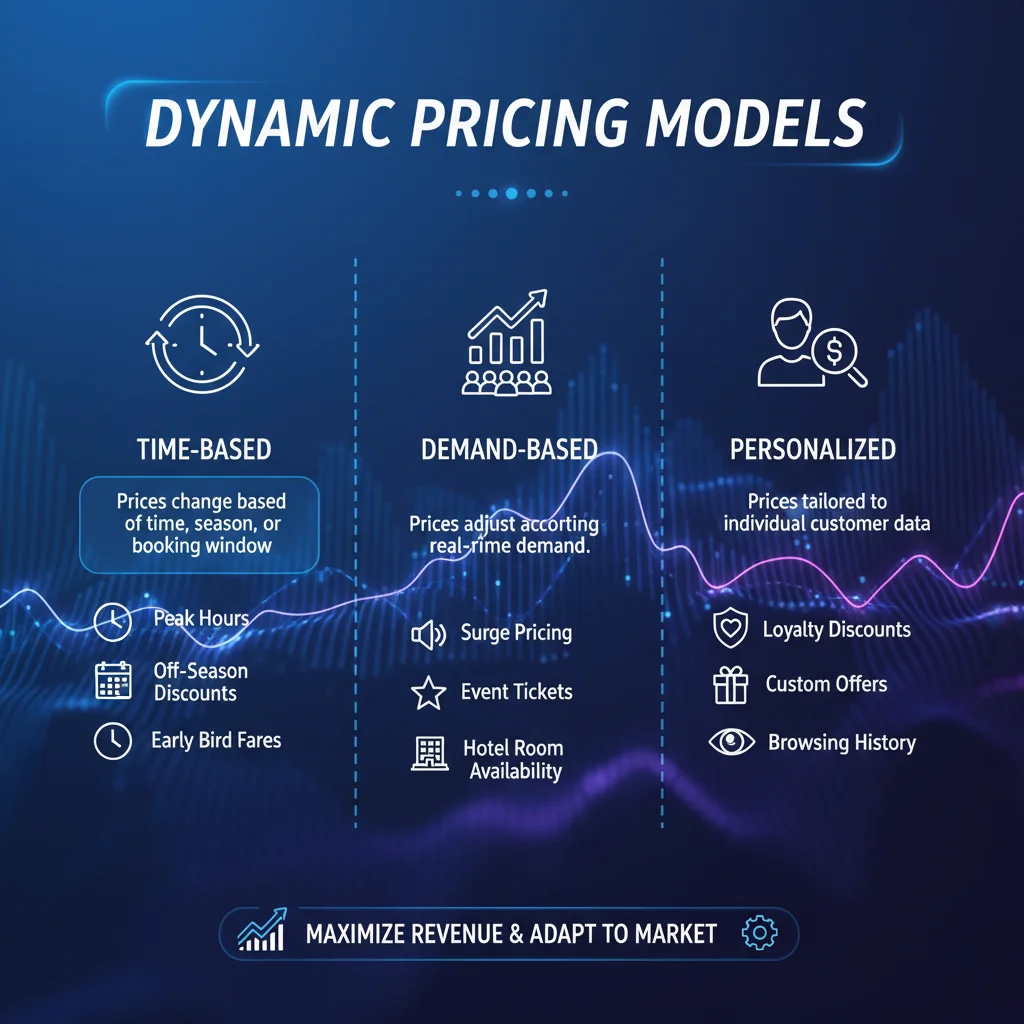
Before we dive into the ‘how,’ let’s understand the ‘what.’ What exactly is dynamic pricing? In essence, it’s a strategy where businesses set flexible prices for products or services based on current market demands, supply levels, competitor pricing, customer behavior, and even time of day or location. Think of airline tickets that fluctuate daily, ride-share prices that surge during peak hours, or concert tickets that change based on demand. This isn’t a new concept, but its sophistication and pervasiveness have exploded thanks to advanced algorithms and big data analytics.
Why is Dynamic Pricing So Prevalent in 2026?
- Advanced AI and Machine Learning: Algorithms can now process vast amounts of data in real-time, identifying optimal pricing points for maximum profit and sales volume.
- Increased Competition: E-commerce platforms and traditional retailers are locked in a perpetual battle for market share, leading to minute-by-minute price adjustments.
- Personalization: Companies can tailor prices based on your browsing history, purchase patterns, and even your perceived willingness to pay.
- Supply Chain Volatility: Global events and supply chain disruptions can cause rapid price shifts, making dynamic pricing a necessity for businesses to adapt quickly.
For consumers, this means that the price you see today might not be the price you see tomorrow, or even an hour from now. While this can seem daunting, it also presents an unprecedented opportunity for savings if you know how to navigate it. This is where dynamic pricing alerts become your indispensable ally.
What Are Dynamic Pricing Alerts and How Do They Work?
Simply put, dynamic pricing alerts are notifications you receive when the price of a specific product or service changes. These alerts are powered by sophisticated price tracking tools and services that continuously monitor prices across various retailers and platforms. When a price drops to a certain threshold, or even just changes, you’re immediately notified, allowing you to pounce on the deal.
The Mechanism Behind the Magic:
- Product/Service Identification: You identify the item you want to purchase (e.g., a specific smartphone, a flight to Paris, a hotel room).
- Tracking Setup: You use a dedicated app, browser extension, or website to set up a price alert for that item. You might specify a target price or simply ask to be notified of any price change.
- Continuous Monitoring: The tracking service continuously scans online retailers, travel sites, and other platforms for price fluctuations related to your chosen item.
- Instant Notification: As soon as the price meets your criteria or changes significantly, you receive an alert via email, push notification, or in-app message.
- Act and Save: You then have the opportunity to purchase the item at the lower price, potentially saving a substantial amount.
The beauty of dynamic pricing alerts lies in their ability to automate the tedious task of price checking. Instead of manually refreshing pages, you can set it and forget it, trusting that you’ll be informed when the time is right to buy.
The Power of Precision: Securing 20% Better Deals
Achieving 20% or more in savings isn’t a pipe dream; it’s a realistic outcome when you consistently employ dynamic pricing alerts. This level of saving comes from a combination of factors:
Capitalizing on Fleeting Opportunities:
- Flash Sales and Short-Term Discounts: Many retailers implement very short-lived sales to drive immediate purchases. Without an alert, you’d likely miss these.
- Inventory Clearances: As new models arrive or inventory needs to be moved, prices can drop significantly for a limited time.
- Competitor Matching: When one major retailer drops a price, others often follow suit, creating a brief window of competitive pricing.
- Algorithmic Adjustments: Retailers’ algorithms are constantly testing price points. Your alert can catch the lowest point in these fluctuations.
Strategic Buying for Big-Ticket Items:
For items like flights, hotels, or consumer electronics, prices can fluctuate by hundreds of dollars. A 20% saving on a $1000 flight is $200 – a significant sum. By patiently waiting for the right alert, you avoid impulse purchases at inflated prices.
Key Categories Where Dynamic Pricing Alerts Shine
While dynamic pricing alerts can be useful for almost any online purchase, they are particularly effective in certain categories where price volatility is highest:
1. Travel (Flights, Hotels, Car Rentals):
This is arguably the most well-known domain of dynamic pricing. Airline seats and hotel rooms are perishable goods; once a flight takes off or a night passes, that inventory is lost. Prices are constantly adjusted based on demand, booking patterns, time until departure/stay, and even the day of the week you search. Using alerts for travel can result in massive savings, often exceeding the 20% mark.
2. Electronics and Gadgets:
The tech market is notoriously dynamic. New models are released frequently, leading to price drops on older generations. Sales events (Black Friday, Prime Day, Cyber Monday) also create significant, albeit temporary, price reductions. Alerts ensure you’re ready when your desired gadget hits its lowest price point.
3. Apparel and Fashion:
Seasonal sales, end-of-season clearances, and promotional events are common. Tracking specific items from your favorite brands can yield substantial discounts, especially on higher-priced items.
4. Home Goods and Appliances:
Similar to electronics, these items often see price adjustments around holidays, major sales events, or when new inventory arrives. Replacing a major appliance can be a significant investment, and an alert can help you save hundreds.
5. Software and Digital Subscriptions:
Many software companies offer promotional pricing for new subscribers or during specific sales periods. If you’re planning to buy a new software license or subscribe to a service, setting an alert can catch these limited-time offers.
6. Event Tickets:
Concert, sports, and theater tickets often have dynamic pricing, particularly on resale markets. Alerts can inform you when prices drop due to increased supply or waning demand closer to the event date.
Essential Tools for Leveraging Dynamic Pricing Alerts in 2026
The market for price tracking tools has matured significantly by 2026, offering a wide array of options. Here are the types of tools you should be familiar with:
1. Dedicated Price Tracking Apps and Websites:
- General Purpose Trackers: Services like Keepa (for Amazon), CamelCamelCamel (also Amazon), PriceGrabber, and Honey (which also applies coupons) have evolved to cover a wider range of retailers. They allow you to paste URLs, set target prices, and receive notifications.
- Travel-Specific Trackers: Google Flights, Skyscanner, Hopper, and Kayak are indispensable for flight and hotel price alerts. They predict price changes and advise on the best time to buy.
2. Browser Extensions:
Many price trackers come as browser extensions, making it incredibly convenient to set alerts directly from a product page as you browse. This seamless integration is key to not missing opportunities.
3. Retailer-Specific Alert Systems:
Some major retailers (e.g., Best Buy, Target, Walmart) offer their own price alert systems, especially for items you’ve saved to a wishlist. While useful, they often only track their own prices, so combining them with third-party tools is best.
4. AI-Powered Shopping Assistants:
The latest generation of tools in 2026 are often AI-powered. These assistants don’t just track prices; they analyze historical data, predict future price movements with higher accuracy, and even suggest alternative products that might be better deals. Some can even integrate directly into your messaging apps or smart home devices for instant, voice-activated alerts.
Strategies for Maximizing Your Savings with Dynamic Pricing Alerts
Simply setting up alerts isn’t enough; a strategic approach will amplify your savings. Here’s how to get the most out of dynamic pricing alerts:
1. Be Proactive and Plan Ahead:
Don’t wait until you desperately need an item. If you anticipate a major purchase (e.g., a new TV before the Super Bowl, holiday gifts), start tracking well in advance. The longer you track, the higher the chance of hitting a significant price drop.
2. Set Realistic Target Prices:
While aiming for 50% off is great, it might not be realistic for every item. Use historical price data (provided by many tracking tools) to understand typical price fluctuations and set a reasonable target. This prevents alert fatigue and ensures you’re notified of genuinely good deals.
3. Track Across Multiple Retailers:
Prices can vary significantly between different stores. Use tools that compare prices across multiple retailers and set alerts for all of them. This broadens your net and increases your chances of finding the absolute lowest price.
4. Understand the Price Cycle:
Many products have predictable price cycles. Electronics often drop after new models are announced. Travel prices can be lower on specific days of the week or months of the year. Educate yourself on these patterns for the items you track.
5. Combine Alerts with Other Savings Strategies:
Dynamic pricing alerts are powerful, but they work even better when combined with other methods:
- Coupon Codes: Some price trackers also integrate coupon finding services.
- Cashback Programs: Use cashback apps or browser extensions in conjunction with your purchase.
- Credit Card Rewards: Pay with a credit card that offers rewards points or additional purchase protection.
- Student/Military/Senior Discounts: Always check for additional eligibility.
6. Act Swiftly but Wisely:
When an alert comes in, especially for a significant drop, act quickly. These deals can be fleeting. However, always take a moment to ensure it’s the exact item you want and check the retailer’s return policy. Don’t let the excitement of a deal lead to a bad purchase.
Common Pitfalls to Avoid When Using Dynamic Pricing Alerts
While highly effective, there are a few traps to steer clear of:
1. Alert Fatigue:
Tracking too many items or setting alerts for every minor price change can lead to an overwhelming number of notifications, causing you to ignore them altogether. Be selective and set meaningful thresholds.
2. Ignoring Shipping Costs:
A lower product price might be offset by higher shipping fees. Always factor in the total cost when comparing deals.
3. Over-reliance on a Single Tool:
No single price tracker is perfect for all products or retailers. Diversify your tools to ensure comprehensive coverage.
4. Impulse Buying:
The thrill of a price drop can sometimes lead to buying things you don’t truly need. Stick to your shopping list and use alerts for planned purchases.
5. Data Privacy Concerns:
Be mindful of the data you share with price tracking services. Choose reputable tools with clear privacy policies.
The Future of Smart Shopping: Beyond 2026
The evolution of dynamic pricing alerts won’t stop in 2026. We can anticipate even more sophisticated features:
- Predictive Analytics: AI will become even better at forecasting price changes, not just reacting to them.
- Personalized Deal Aggregation: Your shopping assistant might proactively find deals based on your past purchases and preferences, even without you setting specific alerts.
- Blockchain Integration: Secure and transparent price tracking, potentially verifying the authenticity of price drops.
- Voice-Activated Shopping: Seamless integration with smart assistants, allowing you to simply say, “Alexa, track the price of the new XYZ smartphone,” and receive verbal updates.
- Augmented Reality Shopping: Imagine walking into a store, pointing your phone at an item, and seeing a real-time price comparison and alert history overlaid on the product.
These advancements will continue to empower consumers, making the act of finding the best deal less about luck and more about intelligent automation.
Conclusion: Embrace the Era of Smart Buying
In 2026, the retail landscape is a dynamic, ever-changing environment. Trying to manually navigate it to find the best prices is a losing battle. However, by embracing the power of dynamic pricing alerts, you transform from a passive consumer into an active, strategic buyer. These tools are no longer a luxury but a necessity for anyone looking to optimize their spending and secure significant savings.
By understanding how dynamic pricing works, utilizing the right tools, and applying smart strategies, you can consistently achieve those coveted 20% (or even greater) discounts on your purchases. Start integrating dynamic pricing alerts into your shopping routine today, and watch your savings grow. The future of smart buying is here, and it’s putting more power, and more money, back into your pocket.