Future of Entertainment: Streaming Tech Upgrades 2024-2025
The Future of Entertainment: What to Expect from Streaming Technology Upgrades in the Next 12 Months
The landscape of entertainment is in a constant state of flux, driven by relentless innovation in technology. For consumers and industry professionals alike, understanding the trajectory of streaming tech upgrades is crucial. In the next 12 months, we are on the cusp of experiencing significant advancements that promise to redefine how we consume media, interact with content, and perceive entertainment itself. This article delves deep into the anticipated streaming tech upgrades, offering a comprehensive look at the innovations that will shape our viewing habits and elevate the entertainment experience.
From enhanced video quality and immersive audio to hyper-personalized content delivery and interactive narratives, the future of streaming is not just about watching; it’s about experiencing. The competition among streaming platforms is fiercer than ever, pushing companies to invest heavily in cutting-edge technology to capture and retain audiences. This intense rivalry fuels a rapid pace of development, bringing exciting new features and capabilities to our screens at an unprecedented rate. Let’s explore the key areas where we can expect to see the most impactful streaming tech upgrades.
1. The Rise of Hyper-Personalization: AI and Machine Learning at the Core
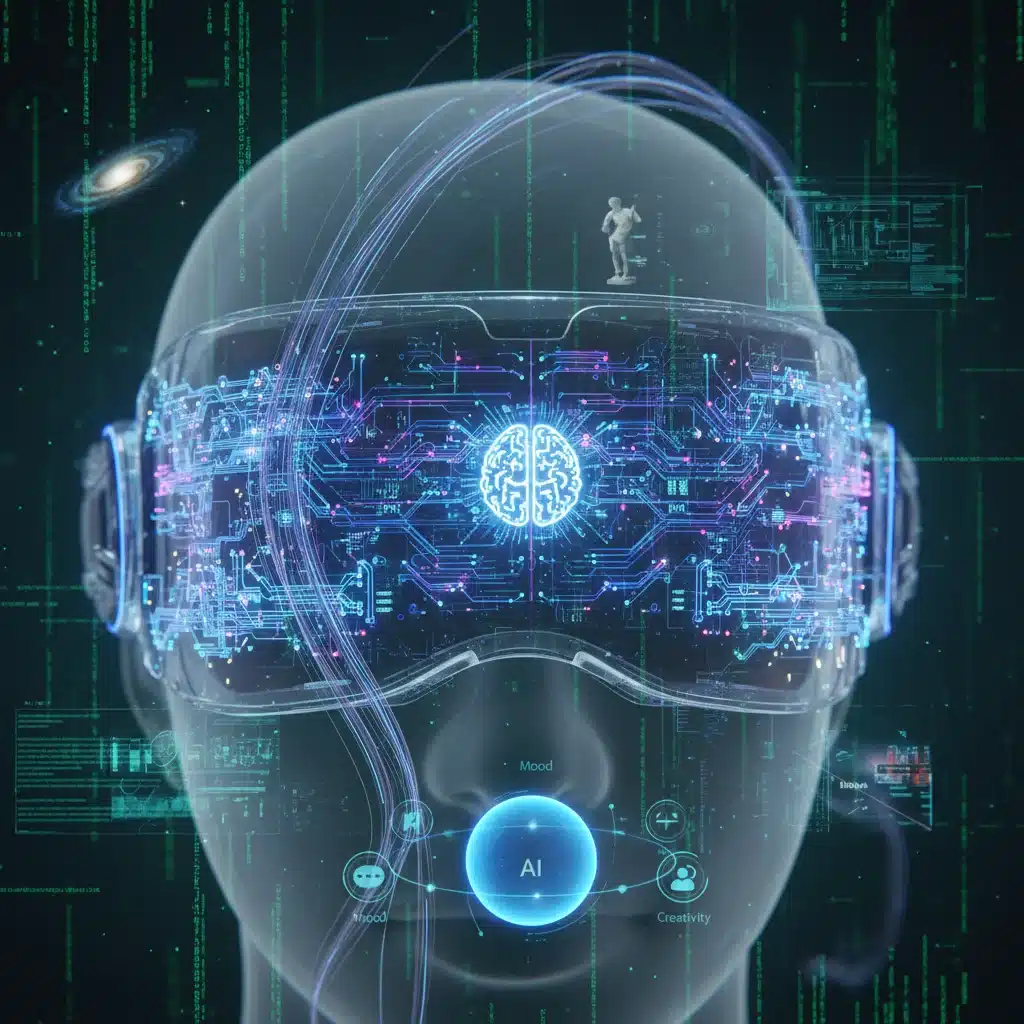
One of the most significant streaming tech upgrades on the horizon involves the sophisticated application of Artificial Intelligence (AI) and Machine Learning (ML). While recommendation engines have been a staple of streaming services for years, the next generation will move beyond simple ‘watch next’ suggestions. We’re talking about hyper-personalization that understands not just what you like to watch, but how you like to watch it, when you like to watch it, and even your mood. This will be a game-changer for content discovery and user engagement.
1.1. Dynamic Content Adaptation
Imagine a streaming service that can dynamically adapt the content itself based on your preferences. This could mean altering the pacing of a scene, adjusting the soundtrack to match your mood, or even presenting different narrative paths based on your previous choices. AI algorithms will analyze vast amounts of user data – viewing history, interactions, even biometric feedback from wearables – to create a truly bespoke viewing experience. This level of dynamic adaptation is a complex undertaking, but initial trials suggest it could dramatically increase viewer satisfaction and retention, marking a pivotal moment in streaming tech upgrades.
1.2. Proactive Content Curation
Beyond reactions, AI will become proactive in content curation. Instead of just recommending existing titles, AI might identify emerging trends, predict content gaps, and even influence content creation itself. This could lead to a new era of AI-generated or AI-assisted content that is tailored to specific audience segments, fostering a more direct and engaging relationship between creators and viewers. Such advancements highlight the transformative power of AI as a key component of future streaming tech upgrades.
1.3. Enhanced User Interface and Experience (UI/UX)
AI will also play a crucial role in refining the UI/UX. Navigating vast libraries of content can be daunting. AI-powered interfaces will be more intuitive, predictive, and voice-activated, making content discovery effortless. Personalized homepages, intelligent search filters, and even AI-driven summaries or trailers will ensure users spend less time searching and more time enjoying. This focus on seamless interaction is a vital aspect of ongoing streaming tech upgrades.
2. Immersive Experiences: VR, AR, and Spatial Audio Integration
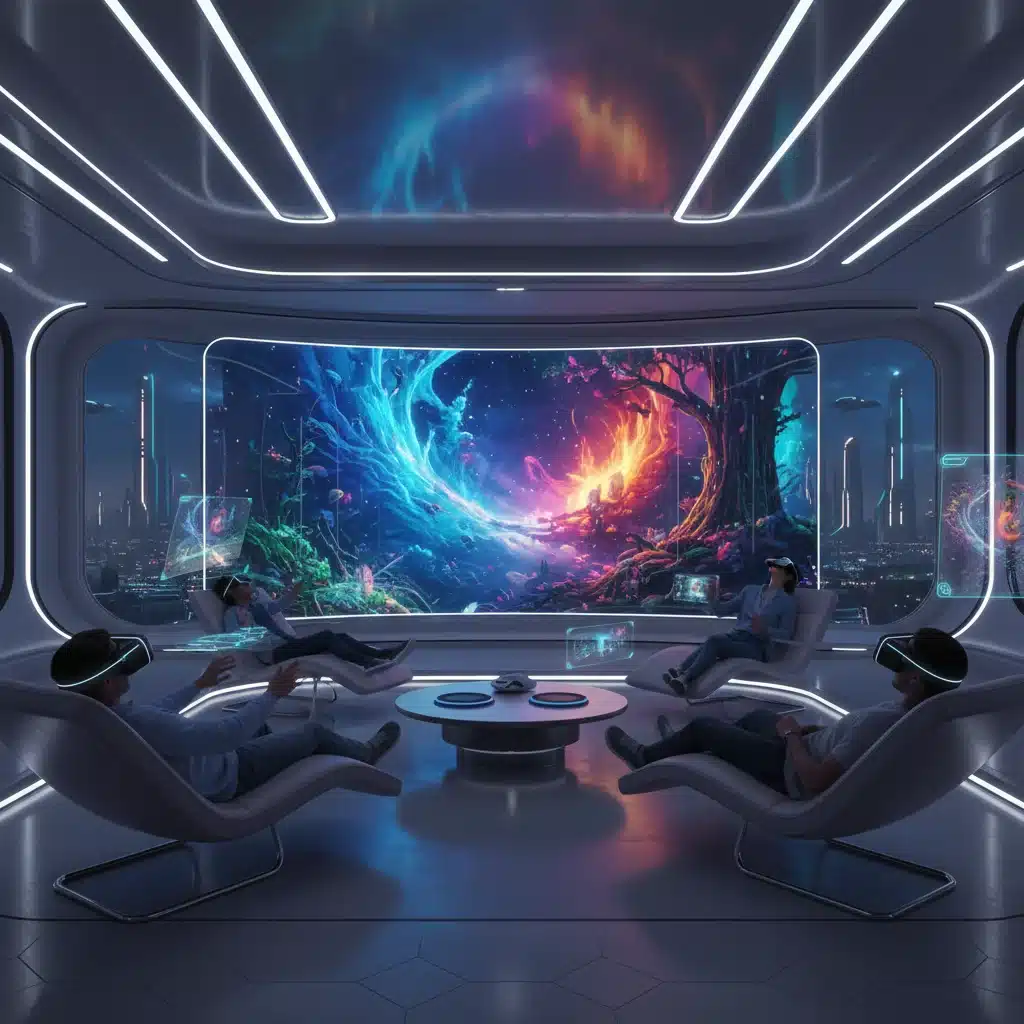
The boundary between viewer and participant is blurring, thanks to advancements in virtual reality (VR), augmented reality (AR), and spatial audio. These technologies are set to bring unprecedented levels of immersion to streaming entertainment, moving beyond flat screens into truly interactive and multi-sensory environments. These are truly groundbreaking streaming tech upgrades.
2.1. VR and AR Enhanced Storytelling
While full-fledged VR movies are still niche, we can expect to see more VR and AR elements integrated into traditional streaming content. Imagine watching a documentary and being able to step into a 3D reconstruction of an ancient city, or experiencing a concert as if you were on stage with the band. AR overlays could provide interactive information about characters, locations, or historical context, enriching the viewing experience without requiring a dedicated VR headset for the entire duration. This hybrid approach will make immersive experiences more accessible and appealing to a broader audience, demonstrating significant streaming tech upgrades.
2.2. Advanced Spatial Audio
Beyond visual immersion, spatial audio is rapidly becoming a cornerstone of premium streaming. Technologies like Dolby Atmos and DTS:X are evolving to deliver sound that moves around you, creating a truly three-dimensional auditory experience. The next 12 months will see wider adoption of these technologies, not just in high-end home theater systems but also in more accessible devices like soundbars and even headphones, offering a more nuanced and realistic soundscape. This evolution in audio is a critical element of modern streaming tech upgrades.
2.3. Interactive and Live Events
Live streaming of concerts, sports, and other events will become significantly more immersive. Viewers might be able to choose camera angles, access real-time statistics in AR, or even interact with other viewers in virtual lobbies. The integration of VR/AR into live events offers new monetization opportunities and transforms passive viewing into an active communal experience, marking a crucial area for streaming tech upgrades.
3. Next-Generation Video Quality and Codecs
The pursuit of higher fidelity video and more efficient delivery remains a core focus for streaming tech upgrades. As internet speeds increase and display technologies advance, consumers expect nothing less than pristine visual quality.
3.1. 8K Streaming and Beyond
While 4K is now commonplace, 8K streaming is slowly gaining traction. The next year will see more 8K content becoming available, especially from premium providers, along with better optimization for delivering such bandwidth-intensive streams. This isn’t just about resolution; it’s about the entire pipeline, from capture to encoding to playback. The challenge lies in making 8K accessible without overwhelming internet infrastructure, a key area of focus for streaming tech upgrades.
3.2. Advanced HDR and Wider Color Gamuts
High Dynamic Range (HDR) significantly enhances the contrast and color vibrancy of video. Expect to see further refinements in HDR standards (e.g., Dolby Vision IQ, HDR10+) that dynamically adjust picture settings based on ambient light and content type. Wider Color Gamuts (WCG) will also become more prevalent, allowing for a more extensive and lifelike range of colors, making content pop off the screen with stunning realism. These advancements in visual fidelity are crucial streaming tech upgrades.
3.3. More Efficient Video Codecs
To deliver higher quality video without crippling internet connections, new video codecs are continuously being developed. AV1 (AOMedia Video 1) is already making inroads, offering superior compression efficiency compared to older codecs like H.264 and even HEVC. The next 12 months will likely see wider adoption of AV1 across more platforms and devices, reducing data consumption while maintaining or improving video quality. This is a quiet but profoundly important aspect of streaming tech upgrades, ensuring a smoother experience for all.
4. Enhanced Content Delivery Networks (CDNs) and Edge Computing
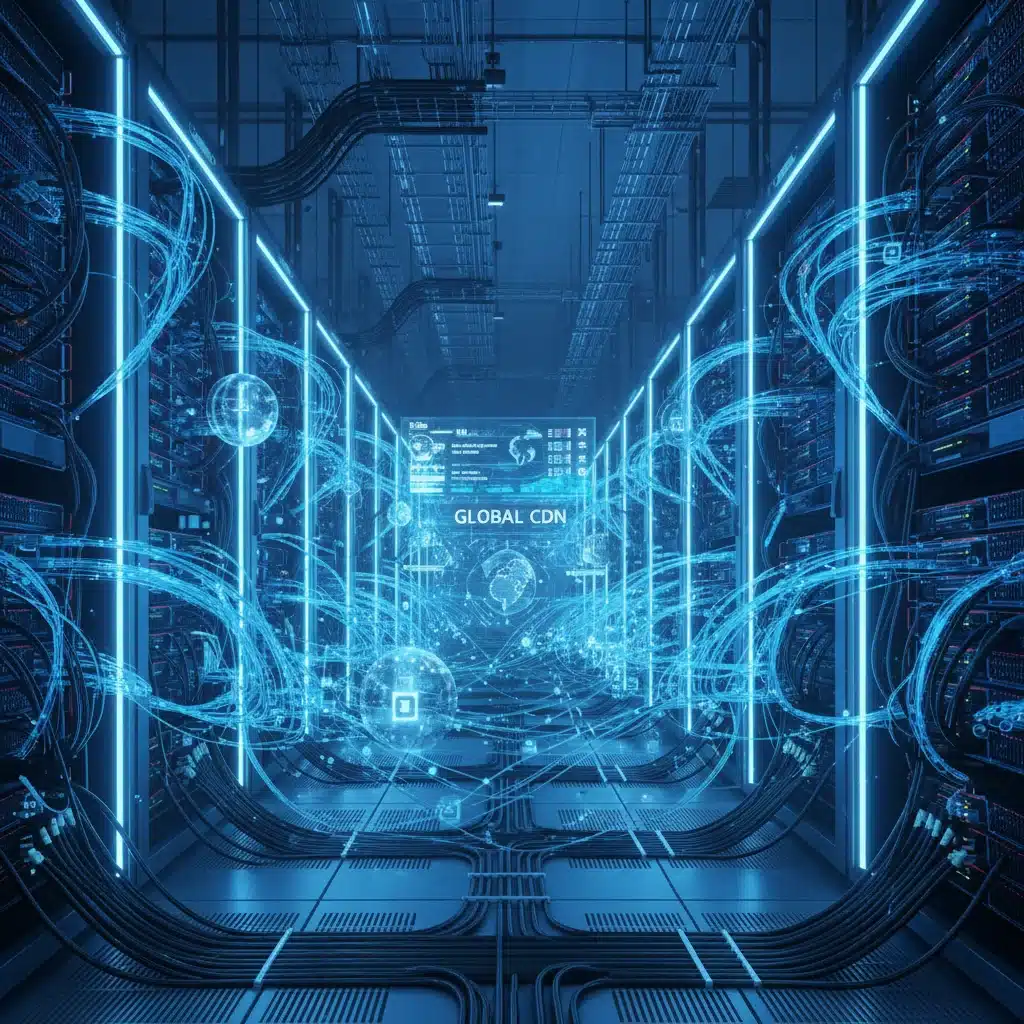
The backbone of any successful streaming service is its content delivery infrastructure. As demand for high-quality, low-latency streaming grows, so too does the need for more robust and intelligent CDNs and the integration of edge computing. These infrastructure-level streaming tech upgrades are vital for seamless performance.
4.1. Smarter CDN Architectures
CDNs are evolving to become more intelligent and adaptive. They will leverage AI to predict demand spikes, dynamically route traffic, and cache content closer to end-users more efficiently. This means faster load times, less buffering, and a consistently smooth viewing experience, even during peak hours. The optimization of CDN architectures is a continuous process that directly impacts user satisfaction and is a critical area for streaming tech upgrades.
4.2. Edge Computing for Ultra-Low Latency
Edge computing brings processing power and data storage closer to the source of data generation – or in streaming’s case, closer to the consumer. For interactive streaming, live events, and cloud gaming, ultra-low latency is paramount. Edge computing will enable real-time processing and delivery of content, minimizing delays and making interactive experiences truly seamless. This technology is particularly vital for the future of cloud gaming and interactive narratives delivered via streaming, representing significant streaming tech upgrades.
4.3. 5G Integration and Mobile Streaming Optimization
The rollout of 5G networks continues to accelerate, promising faster speeds and lower latency for mobile devices. Streaming services are optimizing their platforms to fully leverage 5G’s capabilities, offering higher quality streams on the go, faster downloads for offline viewing, and more robust connections in congested areas. This focus on mobile optimization ensures that the premium streaming experience is no longer confined to the living room, a crucial part of modern streaming tech upgrades.
5. Interactive Storytelling and Cloud Gaming Integration
The passive consumption of content is gradually giving way to more interactive forms of entertainment. Streaming platforms are exploring new ways to engage audiences, turning viewers into active participants. These interactive streaming tech upgrades are changing the very nature of storytelling.
5.1. Choose-Your-Own-Adventure Narratives
Building on early experiments, we can expect more sophisticated interactive narratives that offer viewers meaningful choices affecting the storyline. These aren’t just simple branching paths; AI could be used to generate dynamic dialogue and plot points based on user input, creating truly unique viewing experiences. This brings a gaming element to traditional storytelling, making each watch-through potentially different.
5.2. Cloud Gaming as a Streaming Category
Cloud gaming services are essentially another form of streaming, delivering high-fidelity games over the internet without the need for powerful local hardware. The next 12 months will see further integration of cloud gaming into existing streaming platforms, or dedicated services becoming more robust and widely available. This convergence of video streaming and gaming will offer a vast new library of interactive entertainment, blurring the lines between media types and representing a major leap in streaming tech upgrades.
5.3. Social Viewing and Co-Watching Features
The pandemic accelerated the adoption of co-watching features, allowing friends and family to watch content together remotely. Expect these features to become more integrated and sophisticated, offering shared virtual spaces, real-time reactions, and even interactive elements that all participants can influence. This taps into the social aspect of entertainment, making streaming a more communal experience.
6. Enhanced Security and Content Protection
As streaming technology advances, so too do the methods used by those who seek to illegally pirate content. Therefore, robust security measures and advanced content protection technologies are continually evolving. These often-invisible streaming tech upgrades are crucial for the industry’s sustainability.
6.1. Advanced Digital Rights Management (DRM)
DRM technologies are becoming more sophisticated, employing advanced encryption and watermarking techniques to prevent unauthorized copying and distribution. The future will see more dynamic DRM solutions that adapt to new threats, ensuring that content creators and distributors can protect their intellectual property effectively.
6.2. AI-Powered Threat Detection
AI and machine learning will be increasingly deployed to detect and neutralize piracy attempts in real-time. By analyzing patterns of illicit content distribution and user behavior, AI can identify vulnerabilities and respond rapidly, safeguarding revenue streams for content providers. This proactive approach to security is an essential part of continuous streaming tech upgrades.
6.3. Blockchain for Content Provenance
While still in early stages, blockchain technology holds promise for content provenance – creating an immutable record of ownership and distribution rights. This could simplify rights management, improve transparency, and help track content usage across various platforms, ultimately benefiting both creators and legitimate distributors.
7. Sustainability and Energy Efficiency in Streaming
The environmental impact of data centers and continuous streaming is a growing concern. Future streaming tech upgrades will increasingly focus on reducing the carbon footprint of digital entertainment.
7.1. Greener Data Centers
Streaming providers are investing in more energy-efficient data centers, utilizing renewable energy sources, advanced cooling systems, and optimizing server hardware. This shift towards sustainable infrastructure is a crucial, often overlooked, aspect of responsible technological advancement.
7.2. Optimized Encoding and Delivery
More efficient video codecs (like AV1 mentioned earlier) not only improve user experience but also reduce the amount of data transferred, thereby lowering energy consumption. Similarly, smarter CDN routing and edge computing can minimize the distance data needs to travel, further contributing to energy savings. These efficiency gains are vital streaming tech upgrades for the planet.
Conclusion: A Transformative Year Ahead for Streaming Entertainment
The next 12 months promise to be a period of significant transformation for streaming entertainment. The cumulative effect of these streaming tech upgrades – from hyper-personalized AI-driven experiences and immersive VR/AR content to next-generation video quality and robust delivery infrastructures – will profoundly reshape how we engage with stories, sports, music, and live events. Consumers can look forward to more intuitive, more engaging, and more visually stunning experiences, while content creators will gain powerful new tools to bring their visions to life.
The industry’s commitment to innovation, fueled by intense competition and evolving consumer demands, ensures that the future of entertainment will be anything but static. Staying abreast of these technological shifts is key for anyone looking to understand where media consumption is headed. Brace yourselves for a truly exciting year as these streaming tech upgrades unfold, delivering an entertainment experience unlike anything we’ve seen before.
Whether it’s the subtle magic of an AI-curated playlist that perfectly matches your mood, the breathtaking realism of an 8K HDR nature documentary, or the adrenaline rush of a live concert experienced in VR, the future of streaming is about to get a whole lot more personal, immersive, and spectacular. The evolution is continuous, and the next wave of streaming tech upgrades is poised to deliver an unparalleled era of digital entertainment.