Smart Appliances 2026: Save 10% on Utility Bills with New Models
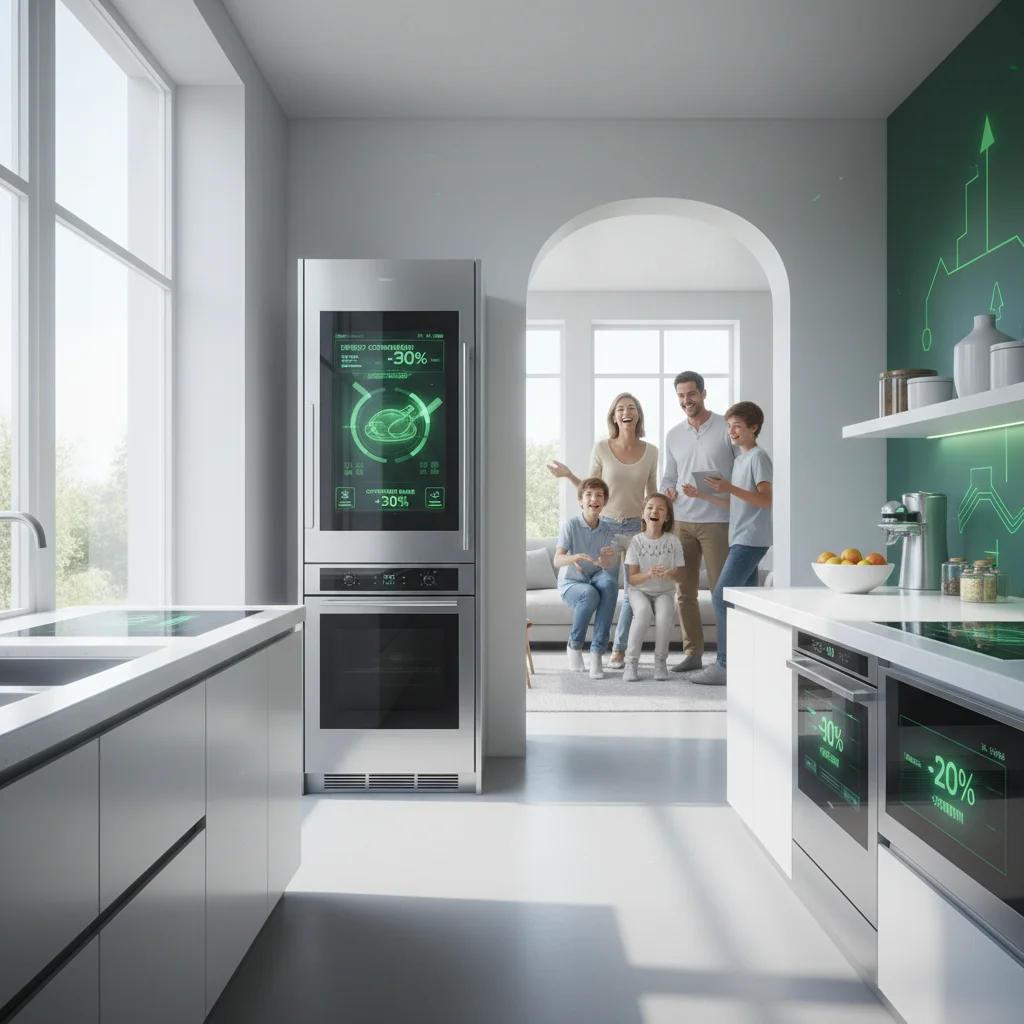
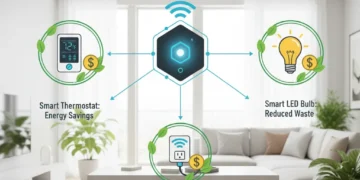
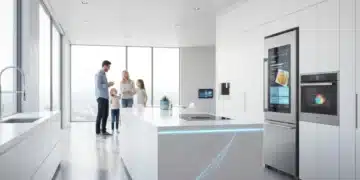
The future of home living is here, and it’s smarter, more efficient, and significantly more cost-effective. As we approach 2026, the landscape of household technology is undergoing a transformative shift, with smart appliance savings becoming a tangible reality for homeowners worldwide. Imagine a home where your appliances don’t just perform tasks but actively work to reduce your energy consumption, leading to substantial savings on your monthly utility bills. This isn’t a distant dream; it’s the imminent reality.
For years, smart appliances have promised convenience, connectivity, and a glimpse into a futuristic lifestyle. However, the next generation, poised for widespread adoption by 2026, takes this promise a significant step further by focusing intensely on energy efficiency and financial impact. Experts predict that new models of smart appliances will enable households to achieve an average of 10% savings on their overall utility bills. This isn’t just about minor adjustments; it’s about a fundamental shift in how we power our homes and manage our resources.
This comprehensive guide will delve into the exciting world of 2026 smart appliances, exploring the technologies driving these savings, the financial benefits you can expect, and how to integrate these innovations seamlessly into your home. We’ll examine the specific types of appliances that will contribute most to these savings, the underlying principles of their efficiency, and the long-term implications for your budget and the environment. Get ready to discover how smart appliance savings can redefine your household economics.
The Evolution of Smart Appliances: Beyond Basic Connectivity
Early smart appliances primarily focused on remote control and basic automation. You could preheat your oven from work or check if the refrigerator door was closed. While convenient, these features didn’t always translate into significant energy savings. The 2026 generation of smart appliances, however, is engineered with energy optimization at its core. This evolution is driven by several key technological advancements:
- Advanced Sensors and AI Integration: New models will feature more sophisticated sensors that monitor environmental conditions, usage patterns, and even the contents of your appliances with greater precision. Coupled with artificial intelligence, these sensors allow appliances to make real-time, intelligent decisions about energy consumption. For instance, a smart refrigerator might learn your family’s opening habits and optimize its cooling cycles accordingly, or a smart washing machine could detect load size and fabric type to use the exact amount of water and energy needed.
- Predictive Analytics: Leveraging AI and machine learning, these appliances will be able to predict energy demand and adjust their operations to coincide with off-peak electricity rates, where available. This proactive approach to energy management is a cornerstone of the anticipated 10% utility bill reduction.
- Interoperability and Ecosystems: The fragmented smart home landscape is consolidating. By 2026, a more robust and unified ecosystem will allow various smart appliances to communicate seamlessly with each other and with your home’s energy management system. This holistic approach ensures that all devices are working in concert to optimize energy use across the entire household.
- Enhanced Energy Monitoring and Reporting: Users will have access to granular data on their energy consumption, broken down by individual appliance. This transparency empowers homeowners to understand their energy footprint better and identify areas for further optimization, directly contributing to smart appliance savings.
These advancements move smart appliances from mere gadgets to essential tools for sustainable and financially savvy home management. The focus has shifted from just ‘smart’ to ‘smart and efficient,’ making the investment in these new models a strategic financial decision.
Targeting the Biggest Energy Hogs: Where Smart Appliances Make the Most Impact
To achieve a 10% reduction in utility bills, smart appliances in 2026 will specifically target the household’s biggest energy consumers. Understanding which appliances offer the most significant opportunities for smart appliance savings is crucial for homeowners planning upgrades.
Smart Refrigerators: More Than Just Keeping Things Cold
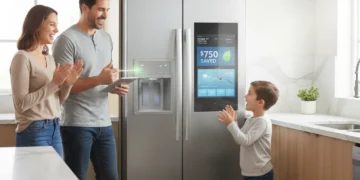
Refrigerators are often on 24/7, making them significant energy users. New smart refrigerators will feature:
- Advanced Insulation and Vacuum Panels: Next-generation materials will drastically reduce heat transfer, requiring less energy to maintain consistent temperatures.
- Door Ajar Sensors with Predictive Closing: Beyond just an alarm, some models might use small, motorized mechanisms to gently nudge a slightly open door closed, preventing cold air loss.
- Internal Cameras and Inventory Management: While seemingly a convenience feature, knowing what you have prevents unnecessary door openings, reducing temperature fluctuations and energy expenditure. AI can even suggest optimal placement for items to improve airflow.
- Adaptive Defrost Cycles: Instead of fixed defrost schedules, smart refrigerators will defrost only when necessary, based on frost buildup and usage patterns, saving energy.
- Energy Harvesting Technologies: Some experimental models might even integrate small solar panels or kinetic energy harvesters to supplement power, further contributing to smart appliance savings.
Smart HVAC Systems: The Core of Climate Control Efficiency
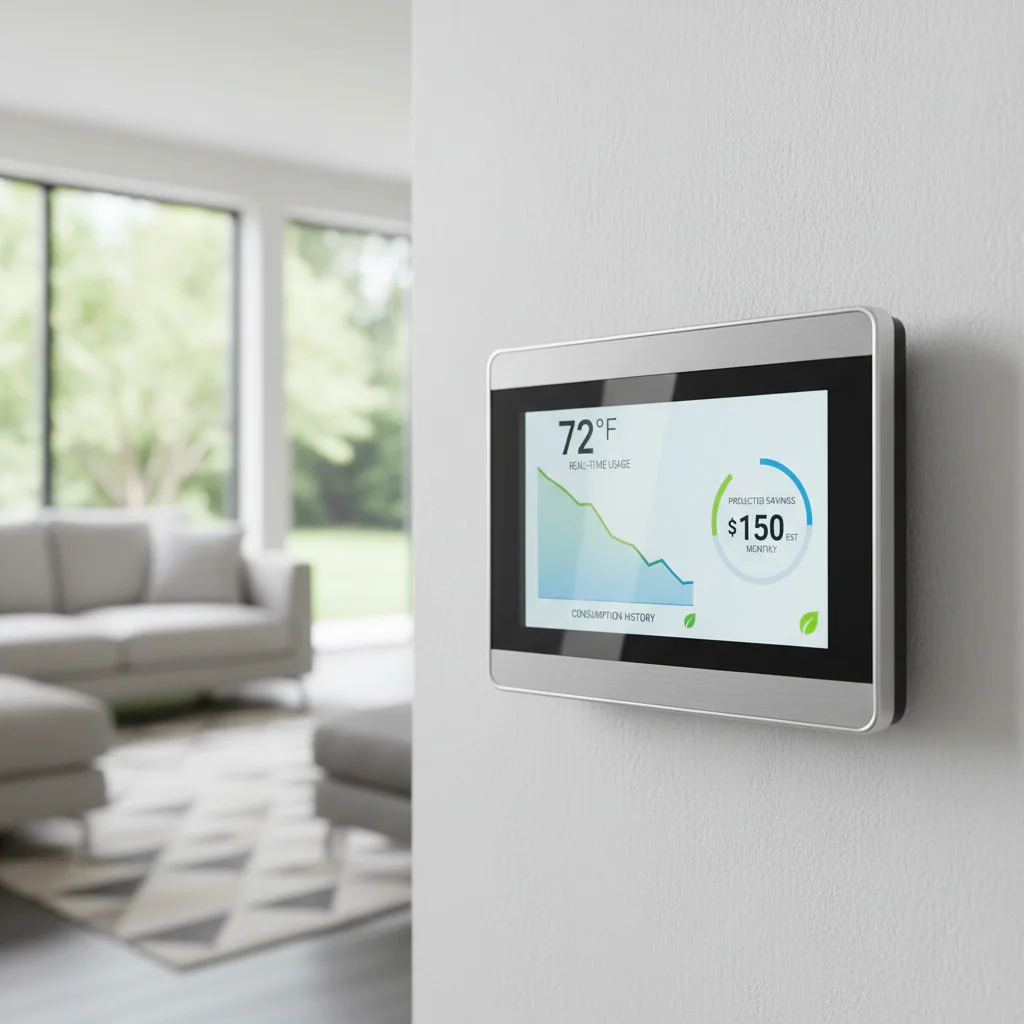
Heating, Ventilation, and Air Conditioning (HVAC) systems are typically the single largest energy consumers in most homes. The 2026 smart HVAC systems will revolutionize climate control:
- Zoned Heating and Cooling with Occupancy Sensors: Instead of cooling or heating the entire house, smart HVAC will precisely control individual zones based on real-time occupancy. If a room is empty, its climate control can be scaled back significantly.
- Predictive Scheduling based on Weather and Habits: Integrating with local weather forecasts and learning your family’s schedule, the system can pre-cool or pre-heat your home during off-peak hours and adjust settings before you even arrive home, maximizing efficiency.
- Geofencing Integration: Your HVAC system can automatically adjust when you leave or approach your home, ensuring comfort when needed and saving energy when you’re away.
- Advanced Air Quality Monitoring: Beyond temperature, systems will monitor air quality and humidity, optimizing ventilation and dehumidification to improve comfort and health while minimizing energy use.
- Self-Learning Algorithms: The system continuously learns the thermal characteristics of your home and your comfort preferences, fine-tuning its operation for optimal efficiency and smart appliance savings without sacrificing comfort.
Smart Laundry Appliances: Wash Smarter, Not Harder
Washers and dryers are notorious for their significant water and electricity consumption. The 2026 smart models will offer impressive improvements:
- AI-Powered Load Sensing: Precise detection of load size, fabric type, and even soil level will ensure the exact amount of water, detergent, and energy is used for each cycle.
- Optimized Drying Cycles: Smart dryers will use advanced moisture sensors to stop cycles precisely when clothes are dry, preventing over-drying and conserving energy. Some may even incorporate heat pump technology for vastly improved efficiency.
- Water Recirculation and Filtration: Some high-end models might feature systems to filter and recirculate water for rinse cycles, drastically reducing water consumption.
- Scheduled Operation for Off-Peak Hours: Integration with smart home energy management systems allows these appliances to run automatically during times of lower electricity demand and cost.
- Fabric Care Optimization: AI will recommend optimal wash and dry settings for different garments, extending clothing lifespan and reducing the need for new purchases, adding another layer to smart appliance savings.
Smart Ovens and Cooktops: Culinary Efficiency
Cooking appliances can consume a lot of energy, especially with frequent use. Smart ovens and cooktops will evolve to be more efficient:
- Precision Temperature Control with AI: Maintaining exact temperatures reduces energy waste from overheating or uneven cooking.
- Preheating Optimization: Smart ovens will learn how quickly they preheat and adjust to reach the target temperature with minimal energy.
- Integrated Cooking Guides and Recipe Optimization: By guiding users through recipes, these appliances can ensure optimal cooking times and temperatures, preventing wasted energy from prolonged cooking.
- Induction Technology Dominance: While not entirely new, smart induction cooktops will become more prevalent, offering highly efficient and precise heating compared to traditional electric or gas ranges.
- Self-Cleaning Cycles with Smart Sensing: Initiating self-cleaning only when necessary and optimizing the cycle duration based on the level of grime.
The Financial Impact: How 10% Savings Translate to Your Wallet
A 10% reduction in utility bills might sound modest, but its cumulative effect can be substantial. Let’s break down the financial impact of smart appliance savings.
Understanding Your Current Utility Costs
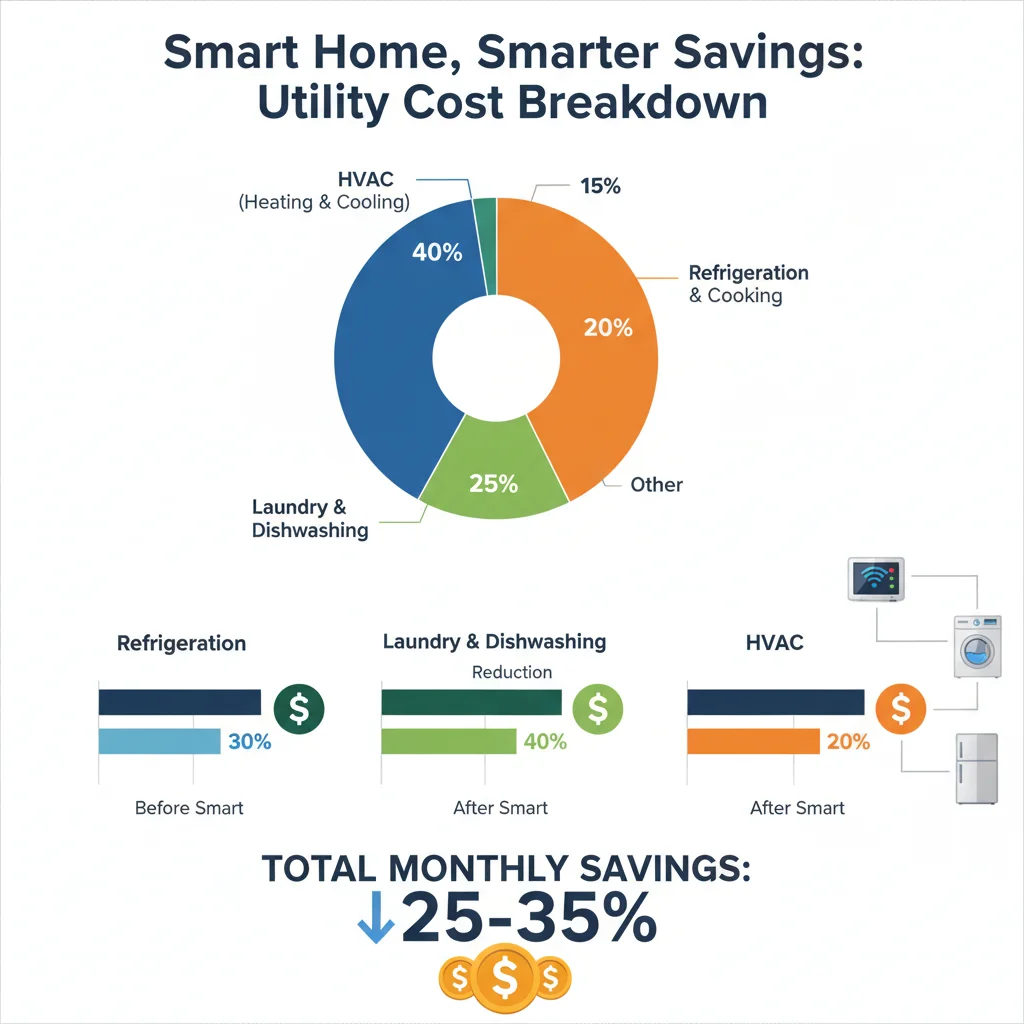
The average American household spends approximately $2,000 to $2,500 annually on utilities, including electricity, gas, and water. This figure varies significantly based on location, home size, and usage habits. For a household spending $2,400 per year on utilities, a 10% saving translates to $240 annually. Over five years, that’s $1,200, and over ten years, a remarkable $2,400.
While the initial investment in smart appliances can be higher than traditional models, these long-term savings create a compelling return on investment. Many manufacturers are also developing financing options and partnerships with utility companies to make these upgrades more accessible.
Beyond Direct Bill Reduction: Hidden Savings
The financial benefits of smart appliance savings extend beyond just the monthly utility bill:
- Reduced Maintenance Costs: More efficient operation often means less wear and tear, potentially leading to fewer repairs and a longer lifespan for your appliances. Predictive maintenance features in some smart models can even alert you to potential issues before they become costly breakdowns.
- Increased Home Value: Energy-efficient smart homes are increasingly attractive to buyers. Investing in these technologies can enhance your property’s market value and appeal.
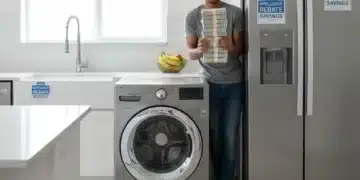
- Eligibility for Rebates and Incentives: Governments and utility companies often offer rebates, tax credits, or other incentives for installing energy-efficient appliances. These can significantly offset the initial purchase cost, accelerating your return on investment in smart appliance savings.
- Environmental Benefits: While not directly financial, reducing your carbon footprint contributes to a healthier planet, a value that many homeowners increasingly prioritize. This can also lead to societal benefits like reduced strain on power grids and lower energy infrastructure costs.
Integrating Smart Appliances into Your Home: A Step-by-Step Guide
Adopting 2026 smart appliances doesn’t have to be overwhelming. Here’s a guide to seamlessly integrate them into your home and maximize your smart appliance savings:
1. Assess Your Current Energy Usage
Before making any purchases, understand where your energy goes. Many utility companies offer online tools to track your consumption. An energy audit, either professional or DIY, can pinpoint the biggest energy drains in your home. This will help you prioritize which smart appliances to upgrade first for maximum impact on your utility bills.
2. Plan Your Smart Home Ecosystem
Consider which smart home platform (e.g., Google Home, Amazon Alexa, Apple HomeKit, or a manufacturer’s proprietary system) you prefer. By choosing appliances that are compatible with your chosen ecosystem, you ensure seamless communication and control, which is vital for optimizing energy use across devices. Look for certifications like Matter or Thread for future-proof compatibility.
3. Prioritize High-Impact Appliances
Start with the appliances that consume the most energy: HVAC, water heater (if applicable, consider smart heat pump models), refrigerator, and laundry machines. Upgrading these first will yield the most significant smart appliance savings.
4. Professional Installation and Setup
While many smart appliances are designed for easy setup, professional installation for complex systems like HVAC can ensure optimal performance and calibration. A professional can also help integrate new appliances into your existing smart home network and troubleshoot any connectivity issues.
5. Educate Yourself on Features and Optimization
Take the time to learn the advanced features of your new smart appliances. Read manuals, watch tutorials, and explore the companion apps. Understanding how to utilize features like predictive scheduling, geofencing, and energy reporting will unlock the full potential of your smart appliance savings.
6. Monitor and Adjust
Regularly review your energy consumption data provided by your smart home system or utility company. Use this information to identify areas for further optimization. Perhaps adjusting your thermostat schedule by an hour or running the dishwasher at a different time could lead to even greater savings.
Challenges and Considerations for 2026 Smart Appliance Adoption
While the benefits are clear, several factors need consideration as we move towards widespread adoption of 2026 smart appliances.
Initial Investment Cost
The advanced technology and features of next-generation smart appliances often come with a higher upfront cost compared to their traditional counterparts. This can be a barrier for some households, despite the long-term smart appliance savings. However, as technology matures and production scales, prices are expected to become more competitive.
Data Privacy and Security
Smart appliances collect data on your usage patterns, and potentially, your home’s environment. Ensuring the security of this data and understanding privacy policies of manufacturers will be paramount. Consumers need to be vigilant about what data is being collected, how it’s used, and how it’s protected.
Interoperability Standards
While progress is being made with standards like Matter, ensuring seamless communication between devices from different manufacturers can still be a challenge. Consumers will need to research compatibility carefully to build a cohesive smart home ecosystem that maximizes smart appliance savings.
Technological Obsolescence
The rapid pace of technological innovation means that today’s cutting-edge appliance could be outdated in a few years. Manufacturers will need to focus on software updates and modular designs to ensure longevity and sustained performance, protecting consumers’ investments.
Digital Divide
Not all households have reliable internet access or the technical literacy required to fully utilize smart appliance features. Addressing this digital divide will be important to ensure that the benefits of smart appliance savings are accessible to a broader population.
The Future is Bright: Beyond 2026 for Smart Appliance Savings
The journey towards truly intelligent and energy-efficient homes doesn’t stop in 2026. The advancements we see by then will lay the groundwork for even more sophisticated systems. Imagine appliances that can:
- Self-diagnose and Order Parts: Your refrigerator might detect a failing component and automatically order a replacement part, scheduling a technician visit.
- Integrate with Renewable Energy Sources: Appliances could intelligently shift their operation to utilize excess solar or wind energy generated by your home, further reducing reliance on the grid.
- Dynamic Energy Pricing Response: Beyond simple off-peak scheduling, appliances could dynamically adjust their energy consumption based on real-time electricity prices, optimizing for the absolute lowest cost.
- Hyper-Personalized Efficiency: AI will learn your individual energy preferences and comfort levels to an even greater degree, creating a perfectly optimized, energy-efficient environment tailored specifically to you.
- Circular Economy Integration: Future smart appliances might be designed for easier repair, recycling, and component reuse, contributing to a more sustainable product lifecycle and even greater long-term smart appliance savings through reduced waste.
These future developments promise to push the boundaries of energy efficiency and convenience even further, solidifying the role of smart appliances as indispensable components of the modern, sustainable home.
Conclusion: Embrace the Future of Smart Appliance Savings
The arrival of advanced smart appliance models by 2026 marks a significant milestone in home technology. The promise of a 10% reduction in utility bills is not merely a marketing claim but a tangible benefit driven by sophisticated AI, advanced sensors, and seamless interoperability. This era of smart appliance savings offers a compelling proposition for homeowners: a future where convenience, sustainability, and financial prudence go hand-in-hand.
By strategically upgrading your home with these next-generation devices, you’re not just investing in new gadgets; you’re investing in a more efficient, cost-effective, and environmentally friendly lifestyle. The combined power of smart refrigerators, intelligent HVAC systems, efficient laundry appliances, and optimized cooking solutions will collectively reshape your household’s energy footprint and deliver measurable smart appliance savings directly to your wallet.
As technology continues to evolve, the benefits will only grow. Now is the time to start planning for these upgrades, understanding the potential impact, and preparing your home for a smarter, more sustainable, and ultimately, more affordable future. The path to significant utility bill reductions begins with embracing the innovation of 2026 smart appliances.