Consumer Insights 2026: Master Sale Cycles & Save 25% on Major Purchases
Consumer Insights 2026: Master Sale Cycles & Save 25% on Major Purchases
Are you ready to revolutionize your spending habits and unlock significant savings in the coming years? As we look towards 2026, understanding and leveraging consumer insights 2026 will be paramount to making smart, strategic purchases. Forget impulse buys and last-minute scrambles; the future of savvy shopping lies in anticipating sale cycles and planning your major purchases with precision. This comprehensive guide will empower you to save a substantial 25% or more on big-ticket items by decoding market trends, understanding consumer behavior, and timing your buys to perfection.
The economic landscape is ever-evolving, and 2026 promises its own unique set of challenges and opportunities for consumers. Inflation, supply chain dynamics, technological advancements, and shifting consumer preferences all play a crucial role in determining when and where the best deals will emerge. By becoming an expert in consumer insights 2026, you’re not just saving money; you’re becoming a more informed, empowered, and financially resilient consumer.
This article will delve into the critical factors shaping the retail environment, identify key sale periods, and provide actionable strategies to help you navigate the market. We’ll explore how to track prices, utilize technology, and understand the psychology behind promotions to maximize your savings. Our goal is to equip you with the knowledge to consistently save 25% on everything from electronics and home appliances to travel and vehicles. Let’s embark on this journey to smarter spending and greater financial freedom.
The Shifting Landscape of Consumer Behavior in 2026
Understanding consumer insights 2026 begins with recognizing the fundamental shifts in how people shop and what influences their purchasing decisions. The post-pandemic era has accelerated several trends, making foresight more valuable than ever. Digital transformation, sustainability concerns, and a growing emphasis on value and longevity are just a few of the forces at play.
Digital Dominance and E-commerce Evolution
By 2026, e-commerce will continue its relentless expansion, becoming the primary channel for a vast array of purchases. This means more data, more competition among retailers, and more opportunities for consumers to find deals. Online price tracking tools, AI-powered recommendation engines, and personalized promotions will be even more sophisticated. Consumers will increasingly rely on reviews, social media recommendations, and virtual try-on experiences before committing to a purchase. The rise of live shopping and interactive online experiences will also create new avenues for flash sales and exclusive discounts.
Sustainability and Ethical Consumption
A significant segment of consumers in 2026 will prioritize sustainability and ethical practices. This trend isn’t just about eco-friendly products; it extends to a brand’s entire supply chain and corporate responsibility. While premium prices are sometimes associated with sustainable goods, the demand for value in this segment will also drive retailers to offer promotions on ethical products, particularly during specific awareness campaigns or seasonal clear-outs. Understanding which brands align with these values and monitoring their promotional cycles will be key.
The Value-Driven Shopper
Economic uncertainties and inflationary pressures will likely keep consumers highly value-conscious in 2026. This doesn’t necessarily mean opting for the cheapest option, but rather seeking the best quality and utility for their money. Shoppers will be more willing to wait for sales, compare prices extensively, and research products thoroughly before making a commitment. This heightened scrutiny creates a fertile ground for planned purchases during peak sale cycles.
Personalization and Data-Driven Marketing
Retailers will leverage advanced data analytics to offer highly personalized deals and promotions. While this can be beneficial, it also means consumers need to be aware of how their data is used and how to strategically engage with these personalized offers. Signing up for newsletters, using loyalty programs, and even abandoning online shopping carts can trigger targeted discounts that align with your planned purchases.
Decoding Major Sale Cycles: A 2026 Forecast
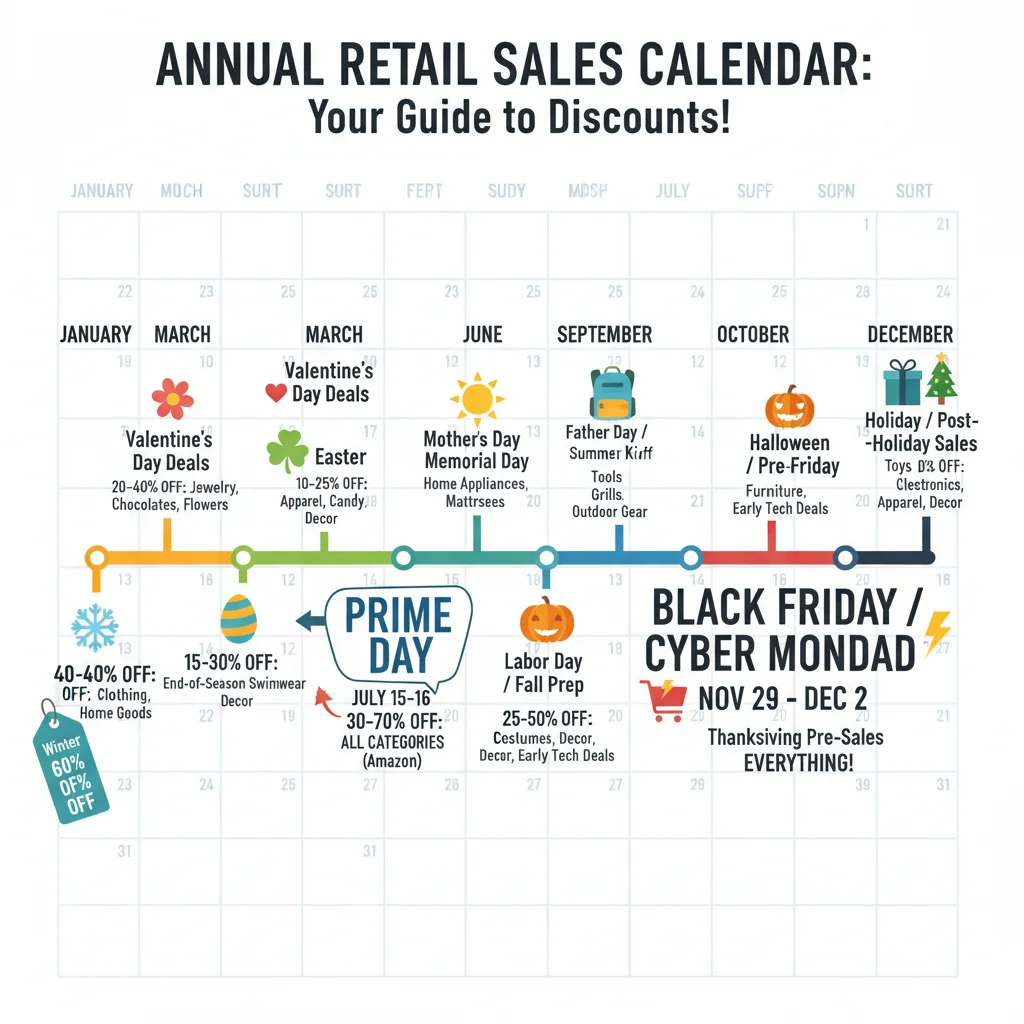
The cornerstone of saving 25% on major purchases lies in understanding and exploiting predictable sale cycles. While specific dates can shift slightly, the general pattern of retail promotions remains remarkably consistent year after year. By studying consumer insights 2026, we can project these cycles with even greater accuracy.
Seasonal Clearances and End-of-Season Sales
These are perennial favorites for a reason. Retailers need to clear out old inventory to make room for new collections. This applies to clothing, home goods, outdoor equipment, and even some electronics. Expect significant discounts:
- Winter Clearance (January-February): Post-holiday sales are prime for winter apparel, decorations, and electronics that didn’t sell well during the peak season.
- Spring/Summer Clearance (July-August): As summer winds down and fall collections arrive, look for deals on summer clothing, patio furniture, grills, and seasonal sports equipment.
- Fall Clearance (October-November, pre-Black Friday): A brief window before the holiday rush to clear out early fall items.
Holiday-Driven Sales Events
These are the big guns, and for good reason. They are anchored around major holidays and are designed to drive massive consumer spending. Mastering these is crucial for maximizing your savings on major purchases, aligning perfectly with our consumer insights 2026 strategy.
- Black Friday/Cyber Monday (End of November): Still the undisputed champions of sales. This period offers the deepest discounts on electronics, appliances, home goods, and many other categories. Preparation is key here – know what you want and where to get it.
- Prime Day (Mid-July, exact dates vary): Amazon’s proprietary sale event often spurs other major retailers to offer competing deals, creating a broad window for savings, particularly on electronics and household essentials.
- Memorial Day, Labor Day, Fourth of July (May, July, September): These long weekends are traditional times for sales on mattresses, furniture, large appliances, and outdoor living items.
- Back-to-School (August): While primarily focused on school supplies, this period often sees discounts on laptops, tablets, printers, and dorm room essentials.
- President’s Day (February): Another key period for mattress and furniture sales.
New Product Launch Cycles and Model Year Changes
This is a particularly strategic area for saving on electronics and vehicles. When new models are introduced, older models often see significant price drops. For example:
- Tech Gadgets (e.g., Smartphones, Laptops): Major manufacturers tend to release new flagship devices annually, often in the fall. The previous generation models will be heavily discounted in the weeks leading up to and immediately following these launches.
- Televisions: New TV models are typically announced at CES in January and released in spring. This means late winter/early spring is a great time to buy last year’s models.
- Vehicles: New model year vehicles usually arrive in dealerships in late summer or early fall. This is an excellent time to negotiate deals on the outgoing model year, as dealers are eager to clear inventory.
Specific Product Category Sales
Beyond general holidays, certain product categories have their own predictable sale patterns:
- Home Appliances: Major appliance sales often coincide with holiday weekends (Memorial Day, Labor Day, Black Friday) but also see promotions during spring (wedding season) and fall (home renovation season).
- Furniture: Similar to appliances, holiday weekends are prime, but also look for sales in February and August when new collections are introduced.
- Travel: ‘Shoulder seasons’ (spring and fall) often present better deals than peak summer or winter holidays. Black Friday/Cyber Monday also extends to travel deals, including flights and hotel packages.
Strategic Planning: Your Roadmap to 25% Savings
Knowing when sales happen is only half the battle. The real savings come from strategic planning, leveraging consumer insights 2026, and disciplined execution. Here’s how to build your roadmap to consistent 25% savings.
1. Identify Your Major Purchases for 2026
The first step is foresight. What big-ticket items do you anticipate needing or wanting in 2026? This could include a new refrigerator, a larger TV, a laptop upgrade, a new car, a significant vacation, or home renovation materials. Create a wish list with approximate timelines.
2. Research Normal Price Points
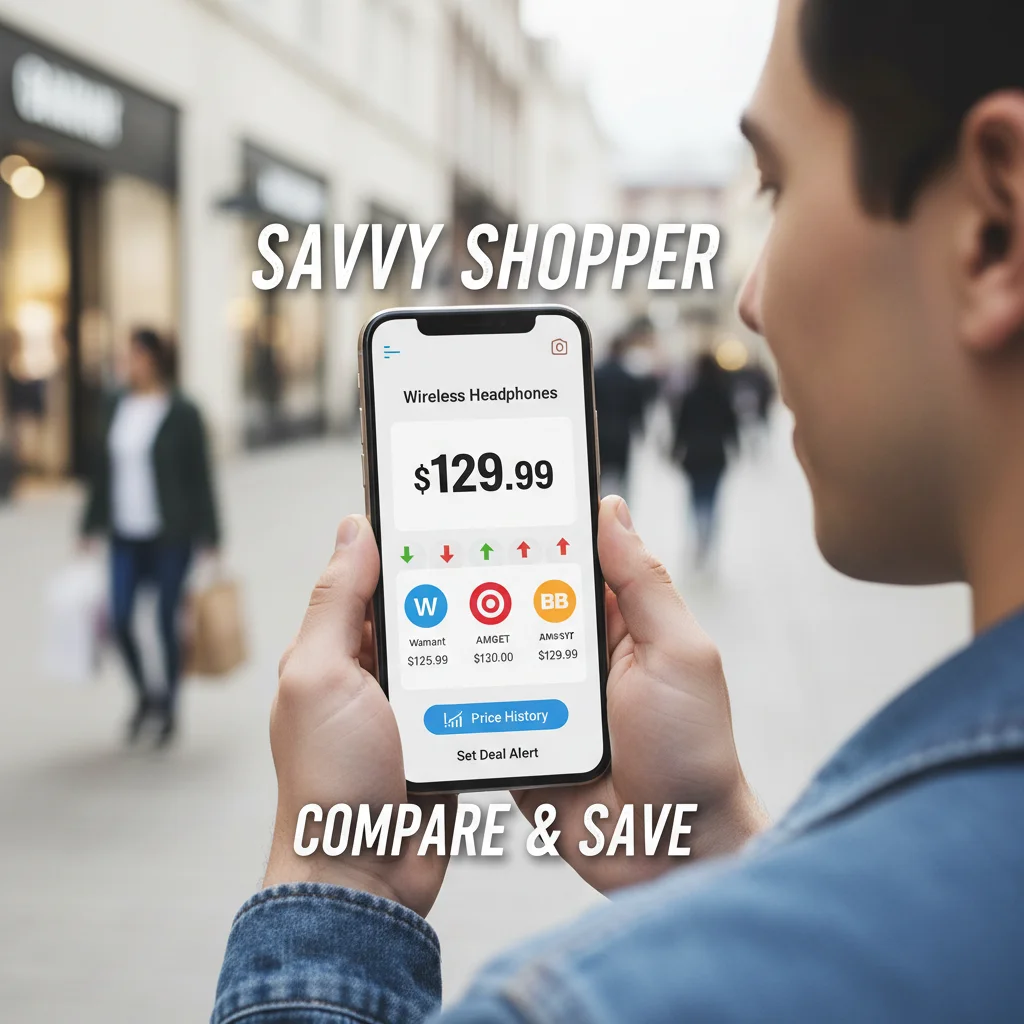
Before any sale, you need to know the baseline. Use price tracking websites and browser extensions (like CamelCamelCamel for Amazon, or Honey) to monitor historical pricing for the specific items you’re interested in. This will help you identify a genuine discount versus a manufactured ‘sale’ price.
3. Set Price Alerts
Many price tracking tools and retailer apps allow you to set alerts for specific products. When the price drops to your desired threshold, or even better, to the lowest historical price, you’ll be notified immediately. This is a passive yet powerful way to catch deals.
4. Understand the ‘Best Time to Buy’ for Each Category
As detailed in the previous section, different products have different sale cycles. Synchronize your wish list with these cycles. For example, if you need a new TV, aim for February/March or November. If it’s a new car, target late summer/early fall for the outgoing model year.
5. Leverage Technology and Tools
- Price Comparison Sites: Google Shopping, PriceGrabber, and Shopzilla can quickly show you who has the best current price.
- Browser Extensions: Beyond price trackers, extensions like Honey or Rakuten can automatically apply coupon codes and offer cashback, adding another layer of savings.
- Retailer Apps & Newsletters: Sign up for your favorite retailers’ email lists. They often send out exclusive early access to sales or special discount codes.
- Social Media & Deal Forums: Follow deal aggregators and specific brand accounts. Sites like Slickdeals or RetailMeNot are goldmines for finding active promotions.
6. Consider Refurbished or Open-Box Items
For electronics and small appliances, refurbished items from reputable sources (often the manufacturer directly) can offer significant savings with minimal risk. Open-box items from major retailers also come with warranties and can be 10-20% cheaper than new.
7. Stack Discounts and Cashback
The savvy shopper doesn’t stop at a single discount. Look for opportunities to combine:
- Sale price + coupon code
- Sale price + loyalty program points/rewards
- Sale price + cashback through a credit card or cashback portal (e.g., Rakuten, Honey)
- Gift card discounts: Sometimes you can buy gift cards at a discount, then use them on sale items.
8. Be Patient and Resist Impulse Buys
This is perhaps the hardest but most crucial discipline. A 25% saving rarely comes from an impulse purchase. Stick to your plan, wait for the right sale cycle, and don’t be swayed by minor discounts if you know a better one is around the corner. By understanding consumer insights 2026, you’ll gain the confidence to wait.
Understanding Retailer Psychology and Pricing Strategies
To truly master sale cycles and achieve your 25% savings goal, it helps to understand why retailers offer sales in the first place. This knowledge, combined with consumer insights 2026, empowers you to predict and exploit opportunities.
Inventory Management
The primary reason for many sales is inventory management. Retailers have limited storage space and capital tied up in unsold goods. Seasonal clearances are perfect examples of this – they need to make room for new merchandise. When you see a deep discount, it often means the retailer is highly motivated to move those items.
Competitive Pricing
In a hyper-competitive market, especially online, retailers constantly monitor each other’s prices. If one major retailer announces a sale, others will often follow suit to avoid losing market share. This creates a ripple effect of discounts during peak sale periods.
Loss Leaders and Upselling
Some deeply discounted items, known as ‘loss leaders,’ are sold at or below cost to attract customers. The retailer hopes you’ll come in for the deal and then purchase other, full-priced items. Be aware of this strategy and stick to your list to avoid unintended spending.
Psychological Pricing
Retailers employ various psychological tactics: ‘charm pricing’ (e.g., $9.99 instead of $10), ‘anchor pricing’ (showing a high original price next to a lower sale price), and ‘limited-time offers’ to create urgency. Recognize these tactics but don’t let them deter you from your planned, strategic purchase.
Data-Driven Dynamic Pricing
With advanced analytics, many online retailers use dynamic pricing, adjusting prices based on demand, competitor prices, your browsing history, and even the device you’re using. While this can make price tracking challenging, it also means that monitoring tools are more essential than ever to catch the brief windows of optimal pricing.
Case Studies: Applying Consumer Insights for 25% Savings
Let’s look at a few hypothetical scenarios for 2026 to illustrate how these strategies, informed by consumer insights 2026, can lead to significant savings.
Case Study 1: The New 4K Smart TV
Goal: Purchase a high-end 65-inch 4K Smart TV, typically retailing for $1,500.
Strategy:
- Identify Cycle: New TV models are typically released in spring (March-April). The best time to buy last year’s models is late winter (February) or during Black Friday.
- Research & Track: In mid-2025, start tracking specific models from major brands. Set price alerts for the 2025 models you like.
- Execute: A manufacturer announces its 2026 lineup in January 2026. By mid-February, the 2025 65-inch model you’ve been eyeing drops from $1,500 to $1,100 (a 27% discount) at a major electronics retailer. You also have a 5% cashback offer on your credit card for electronics purchases.
Savings: Original Price: $1,500. Sale Price: $1,100. Cashback: $55. Total Paid: $1,045. Total Savings: $455 (30.3%).
Case Study 2: The Major Home Appliance Upgrade (Refrigerator)
Goal: Purchase a new, energy-efficient refrigerator, typically retailing for $2,000.
Strategy:
- Identify Cycle: Major appliance sales often occur during holiday weekends (Memorial Day, Labor Day, Black Friday) and sometimes in September/October as new models are introduced.
- Research & Track: In early 2026, identify desired models and read reviews. Monitor prices using a browser extension.
- Execute: A popular home improvement store announces a Labor Day sale on appliances, offering 15% off all refrigerators. Simultaneously, you find a manufacturer rebate for an additional $100 on the specific model you want. You also have a store credit card with 0% financing for 12 months, allowing you to pay over time without interest.
Savings: Original Price: $2,000. Sale Price (15% off): $1,700. Manufacturer Rebate: $100. Total Paid: $1,600. Total Savings: $400 (20%). While slightly under 25%, combining with a gift card discount could push it over, and the 0% financing adds significant value.
Case Study 3: The Family Vacation
Goal: A week-long international family vacation, estimated cost $7,000.
Strategy:
- Identify Cycle: ‘Shoulder season’ travel (late spring/early fall) often offers better deals. Black Friday/Cyber Monday also sees travel deals. Booking well in advance (6-9 months) can secure lower airfares.
- Research & Track: Subscribe to airline and hotel newsletters. Use flight comparison sites with price alerts. Monitor travel package deals.
- Execute: In November 2025, during a Black Friday travel sale, an airline offers 20% off flights to your desired destination for travel in May 2026. A hotel chain simultaneously offers a ‘stay 4 nights, get 1 free’ promotion, effectively a 20% discount, and you use travel points from your credit card for another night, reducing hotel costs by 40%.
Savings: Original Flight Cost: $3,000. Black Friday Discount: $600. Original Hotel Cost: $3,000. Promotion + Points: $1,200. Other Expenses: $1,000 (no direct discount, but overall savings make it more affordable). Total Savings on flights and hotel: $1,800. Overall Savings: ~$1,800 on $7,000 (25.7%).
Beyond 2026: Sustaining Your Savvy Shopping Habits
The principles of leveraging consumer insights 2026 for significant savings are not a one-time trick; they are a lifestyle. By integrating these strategies into your financial planning, you can continue to reap the benefits for years to come. The key is continuous learning and adaptation.
Stay Informed on Economic Trends
Keep an eye on broader economic indicators. Inflation, interest rates, and consumer confidence all influence retailer pricing strategies and promotional intensity. A deeper understanding of these macroeconomic factors will enhance your ability to predict market shifts.
Embrace New Technologies
The tech landscape is constantly evolving. New apps, AI tools, and data analytics platforms will emerge to help consumers make even smarter decisions. Be open to adopting these tools to refine your shopping strategy.
Review and Adjust Your Strategy
At the end of each year, review your major purchases and the savings you achieved. What worked well? What could be improved? Did you miss any opportunities? Use these insights to refine your plan for the following year.
Share Your Knowledge
Empower your friends and family by sharing these strategies. Collective knowledge and shared experiences can lead to even greater savings and a more financially literate community.
Conclusion: Your Path to Financial Empowerment in 2026 and Beyond
The journey to saving 25% on major purchases in 2026 is not about deprivation; it’s about empowerment. It’s about taking control of your spending, making informed decisions, and leveraging the wealth of information available through consumer insights 2026. By understanding sale cycles, utilizing technology, and practicing patience, you can transform your approach to shopping from reactive to proactive.
Remember, every dollar saved is a dollar earned. By strategically planning your purchases and timing them with peak promotional periods, you’re not just getting a deal; you’re actively contributing to your financial well-being. So, start your wish list now, set those price alerts, and prepare to navigate the retail landscape of 2026 with confidence and a significantly fatter wallet. The future of smart shopping is here, and you’re now equipped to master it.