Manufacturer Rebates: Claim Up To $50 Back on Electronics in 2026

Understanding Manufacturer Rebates: A 2026 Guide to Claiming Up To $50 Back on Electronics
In the ever-evolving landscape of consumer electronics, finding ways to save money is paramount. While sales and discounts are common, one often-overlooked avenue for significant savings comes in the form of manufacturer rebates. These offers, particularly prevalent in the electronics sector, can put a substantial amount of money back in your pocket, sometimes up to $50 or even more, on a single purchase. For 2026, understanding the intricacies of these programs is key to maximizing your savings. This comprehensive guide will walk you through everything you need to know about manufacturer rebates, focusing on how to successfully claim your cash back on electronics.
Manufacturer rebates are essentially a partial refund offered directly by the product manufacturer after you’ve purchased an item. Unlike an instant discount applied at the point of sale, a rebate requires you to submit a claim, typically by mail or online, to receive your money back. This process, while sometimes perceived as cumbersome, is a goldmine for savvy shoppers. Imagine purchasing a new smartphone, a pair of noise-canceling headphones, or a smart home device, and then receiving a check or a prepaid card for $20, $30, or even $50 a few weeks later. These savings add up, especially if you’re a frequent buyer of electronics.
As we delve into 2026, the landscape of manufacturer rebates continues to adapt to digital trends, making the claiming process potentially smoother for many. However, the core principles remain the same: attention to detail, adherence to deadlines, and meticulous record-keeping are your best friends in successfully navigating these programs. This guide will equip you with the knowledge and strategies to confidently pursue and claim your manufacturer rebates on electronics, ensuring you don’t leave any money on the table.
What Exactly Are Manufacturer Rebates and How Do They Work?
Manufacturer rebates are promotional incentives designed by product manufacturers to stimulate sales. Instead of directly lowering the retail price, the manufacturer offers a refund to the consumer after the purchase has been made. This strategy serves several purposes for manufacturers: it allows them to maintain a higher perceived value for their products, gather valuable consumer data, and encourage purchases without directly impacting their retailers’ pricing structures. For consumers, it’s an opportunity to acquire desired electronics at a lower net cost.
The process typically involves a few key steps: first, you purchase an eligible electronic item from a participating retailer. Second, you complete a rebate form, which can be found either with the product packaging, online on the manufacturer’s website, or sometimes provided by the retailer. Third, you gather the required documentation, which almost always includes the original UPC barcode from the product packaging, a copy of the sales receipt, and sometimes the serial number of the device. Finally, you submit all these materials, either by mail to a specified address or through an online portal, within a strict timeframe.
Once your submission is received and verified, the manufacturer or their processing agent will send you the rebate amount, usually in the form of a check or a prepaid debit card. The waiting period can vary significantly, often ranging from 6 to 12 weeks, sometimes even longer. Patience is a virtue when dealing with manufacturer rebates, but the reward of getting cash back on your electronics purchases is often well worth the wait.
Why Manufacturers Offer Rebates on Electronics
Understanding the motivation behind manufacturer rebates can help consumers identify and leverage these opportunities more effectively. Manufacturers employ rebates for several strategic reasons, especially in the highly competitive electronics market:
- Driving Sales Volume: Rebates can create a sense of urgency and value, encouraging consumers to purchase a product they might have been considering, or even one they hadn’t initially planned to buy.
- Maintaining Brand Perception: By offering a rebate rather than a direct price cut, manufacturers can maintain the perceived premium value of their products. This is particularly important for high-tech electronics where brand image plays a significant role.
- Inventory Management: Rebates are excellent tools for moving older inventory or specific models to make way for newer releases without resorting to steep, public discounts that could devalue the brand.
- Competitive Edge: In a crowded market, a compelling rebate offer can differentiate a product from its competitors, swaying consumer decisions in its favor.
- Customer Data Collection: Rebate forms often require personal information, which manufacturers can use for marketing research, understanding consumer demographics, and tailoring future promotions.
- Reduced Costs for Manufacturers: Not all eligible customers submit their rebate claims. This phenomenon, known as ‘breakage,’ means manufacturers don’t have to pay out every advertised rebate, making the program more cost-effective than an instant discount.
For consumers, these manufacturer rebates represent a legitimate opportunity to save money. By being aware of these underlying reasons, you can better anticipate when and where these offers might appear, especially for the electronics you’re looking to purchase in 2026.
Finding the Best Manufacturer Rebates for Electronics in 2026
The first step to claiming your $50 (or more) back on electronics is knowing where to find the best manufacturer rebate offers. In 2026, information is more accessible than ever, but knowing the right places to look can save you time and ensure you don’t miss out on valuable savings.
Online Retailers and Manufacturer Websites
Many major online electronics retailers, such as Amazon, Best Buy, and Newegg, often highlight available manufacturer rebates directly on their product pages or in dedicated promotions sections. Always check these sites before making a purchase. Furthermore, visiting the official website of the electronics manufacturer (e.g., Samsung, Sony, HP, Logitech) is crucial. Manufacturers frequently post their active rebate programs directly on their corporate sites, sometimes exclusively.
Rebate Aggregator Websites
Several websites specialize in aggregating rebate offers from various manufacturers and retailers. These sites can be incredibly useful for finding a wide range of electronics rebates in one place. Popular examples include Slickdeals, RetailMeNot, and specific rebate tracking sites. Regularly checking these platforms can keep you informed about current and upcoming offers.
In-Store Promotions and Flyers
Don’t underestimate the power of traditional in-store advertising. Retailers often display flyers, shelf tags, or signs indicating products eligible for manufacturer rebates. When shopping for electronics, take a moment to scan for these notices. Sometimes, unique in-store-only rebates can be found this way.
Email Newsletters and Alerts
Subscribe to email newsletters from your favorite electronics retailers and manufacturers. Many companies use these newsletters to announce new products, sales, and, importantly, manufacturer rebates. Setting up deal alerts on aggregator sites for specific electronics categories or brands can also notify you as soon as a relevant rebate becomes available.
By combining these strategies, you’ll significantly increase your chances of finding lucrative manufacturer rebates on the electronics you plan to buy in 2026, putting you on the path to claiming those valuable cash-back rewards.
The Anatomy of a Successful Rebate Claim: Key Steps and Documentation
Successfully claiming a manufacturer rebate, especially one that could get you up to $50 back on electronics, hinges on meticulous attention to detail. Skipping a single step or missing a crucial piece of documentation can lead to your claim being denied. Here’s a detailed breakdown of the essential steps and documentation required for a successful submission in 2026:
1. Read the Rebate Terms and Conditions Carefully
This is arguably the most critical step. Before even making the purchase, read every single line of the rebate offer. Pay close attention to:
- Purchase Dates: The exact start and end dates for eligible purchases.
- Submission Deadline: The final date by which your claim must be postmarked or submitted online. This is often different from the purchase date window.
- Eligible Products: Ensure the specific model number, color, or version of the electronic device you’re buying qualifies.
- Participating Retailers: Confirm that the store where you’re making the purchase is an approved retailer for the rebate.
- Rebate Amount and Type: Understand if it’s a check, prepaid card, or store credit.
- Limits: Some rebates have limits on how many items you can claim per household or per product.
2. Make the Eligible Purchase
Purchase the electronic item within the specified dates and from an authorized retailer. Keep your receipt safe and sound!
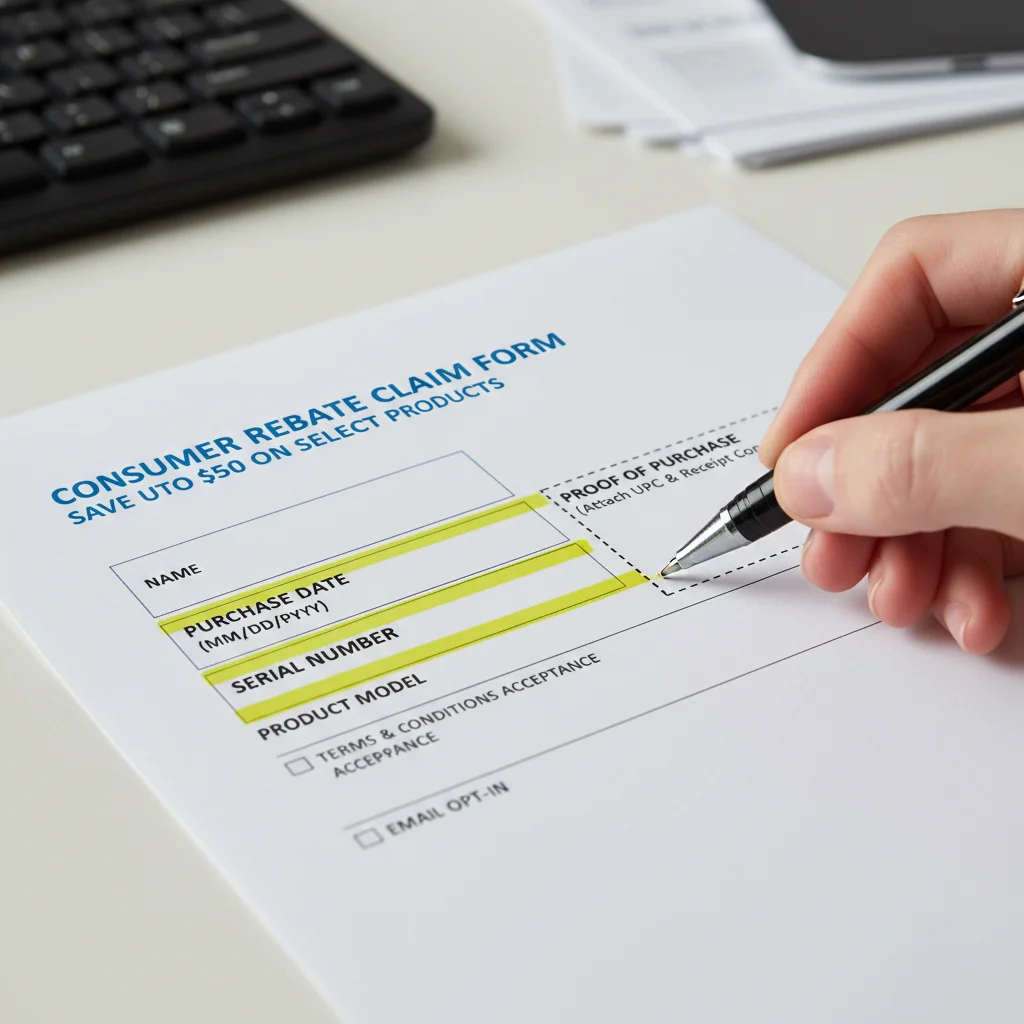
3. Complete the Rebate Form Accurately
Whether it’s a physical form or an online submission, fill out all required fields completely and accurately. Double-check your name, address, email, and product information. Any discrepancies can cause delays or rejection.
4. Gather All Required Documentation
This is where many claims fail. Ensure you have the following:
- Original UPC Barcode: This is almost always required. Carefully cut out the UPC barcode from the product packaging. Do not throw away the box until your rebate is processed!
- Copy of the Sales Receipt/Invoice: Provide a clear, legible copy of your original receipt. Highlight the eligible product, purchase date, and price. Some rebates require the original receipt; if so, make a copy for your records.
- Serial Number: Many electronics rebates require the product’s serial number. This can usually be found on the product itself, the packaging, or the receipt.
- Rebate Form: The completed and signed rebate form.
- Other Proof of Purchase: Sometimes, additional documentation like a packing slip or a copy of your credit card statement showing the purchase might be requested.
5. Make Copies of Everything
Before submitting, make copies of the entire package: the completed form, receipt, UPC, and any other documents. This is your insurance in case the original submission gets lost or if there’s a dispute.
6. Submit Your Claim On Time
If mailing, ensure your envelope is postmarked by the deadline. Consider sending it via certified mail with a return receipt for proof of delivery. If submitting online, ensure you receive a confirmation email or a tracking number.
7. Track Your Rebate
Many manufacturers or their rebate processors provide an online tracking system. Use the tracking number provided (if applicable) to monitor the status of your claim. This allows you to identify potential issues early on.
By following these steps meticulously, you significantly increase your chances of successfully claiming your manufacturer rebates on electronics in 2026, ultimately putting that $50 back into your wallet.
Common Pitfalls and How to Avoid Them When Claiming Electronics Rebates
Even with the best intentions, many consumers encounter issues when trying to claim manufacturer rebates. Understanding these common pitfalls and knowing how to circumvent them can save you a lot of frustration and ensure your cash back comes through. Here are the most frequent problems and how to avoid them in 2026:
1. Missing the Deadline
This is perhaps the most common reason for rebate rejection. Rebate offers always have strict purchase and submission deadlines. Missing either by even one day will almost certainly lead to denial. Avoidance: As soon as you purchase an eligible item, mark both the purchase date window and the submission deadline prominently on your calendar or set digital reminders. Prioritize submitting the rebate as quickly as possible after purchase.
2. Incomplete or Illegible Forms
Any missing information, incorrect spelling, or illegible handwriting on the rebate form can cause processing delays or outright rejection. Avoidance: Fill out all fields neatly and accurately. For physical forms, consider typing the information if possible, or print clearly in block letters. For online forms, double-check every entry before final submission.
3. Forgetting or Mutilating the UPC Barcode
The original UPC barcode is almost universally required. Accidentally throwing away the product packaging or damaging the barcode when removing it will invalidate your claim. Avoidance: Develop a habit of cutting out the UPC barcode immediately after unpacking an electronic device, and place it directly with your receipt and rebate form. Do not discard packaging until your rebate has been approved.
4. Submitting a Copy Instead of Original (When Original is Required)
While most rebates allow copies of receipts, some specifically demand the original. Submitting a copy when an original is requested will lead to rejection. Avoidance: Read the terms carefully. If an original receipt is required, make a copy for your records before mailing the original. If you need the original receipt for warranty purposes, consider if the rebate is worth potentially complicating a future warranty claim.
5. Purchasing from an Unauthorized Retailer
Some rebates are only valid when purchased from specific retailers. Buying from a non-participating store will make your rebate invalid. Avoidance: Always verify the list of authorized retailers in the rebate terms and conditions before making your purchase.
6. Not Making Copies for Your Records
If your claim is lost in the mail or denied, having copies of everything you submitted is crucial for dispute resolution. Without them, you have no proof. Avoidance: Before mailing or digitally submitting, make clear copies or screenshots of every single document: the completed form, receipt, UPC, and any other supporting materials. Keep these copies in a dedicated rebate folder.
7. Lack of Follow-Up
Sometimes, rebates get stuck in processing, or there might be a minor issue that can be resolved with a quick phone call. If you don’t follow up, you might never know. Avoidance: Use any provided online tracking system. If none is available, note the expected processing time and if you haven’t received your rebate within that period, contact the rebate fulfillment center or manufacturer’s customer service.
By being vigilant about these common pitfalls, you can significantly increase your success rate in claiming manufacturer rebates on electronics, ensuring you get your deserved cash back in 2026.
The Rise of Digital Rebates: Streamlining Your Claims in 2026
While traditional mail-in rebates still exist, the electronics industry, along with many others, has increasingly embraced digital rebate submissions. This shift offers several advantages for consumers, potentially making the process of claiming your $50 back on electronics in 2026 much smoother and faster. Understanding how digital rebates work is crucial for modern-day savings.
How Digital Rebates Work
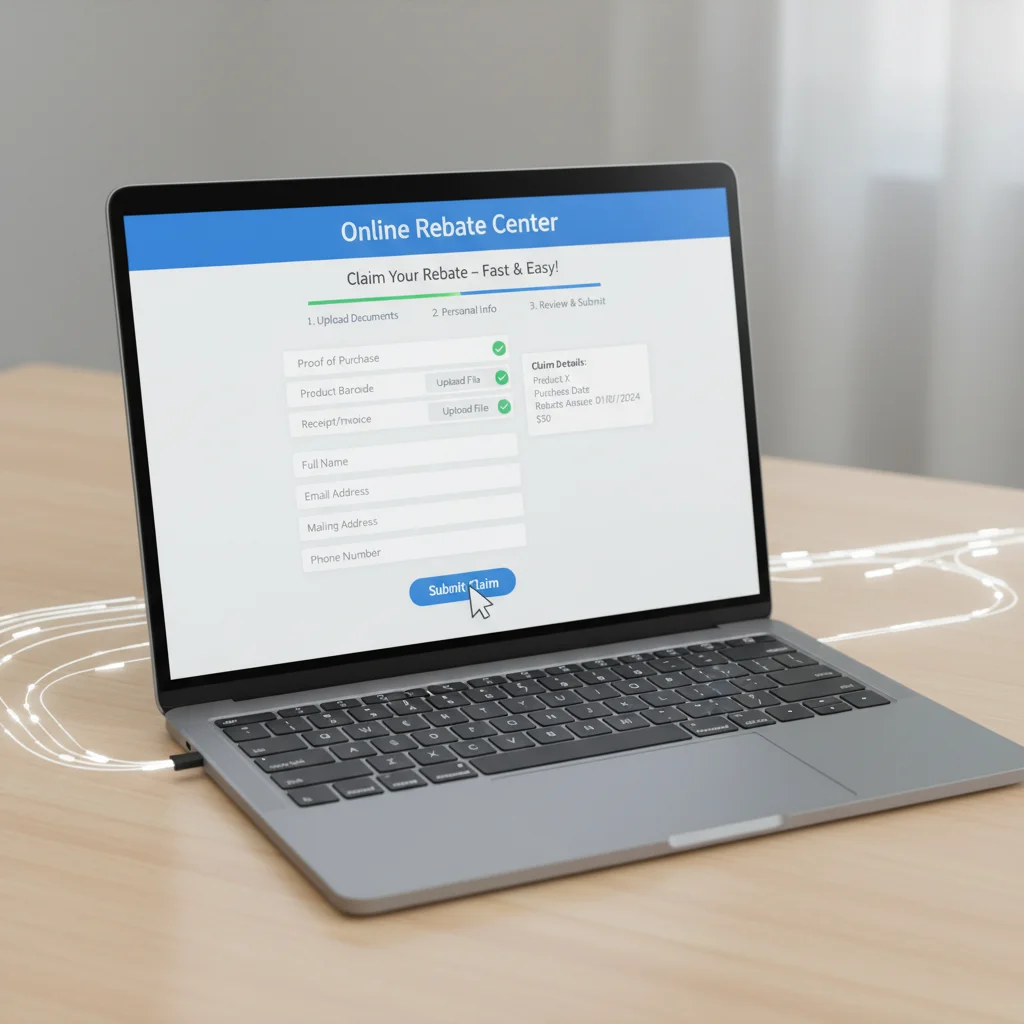
Instead of physically mailing documents, digital rebates allow you to submit your claim entirely online. The typical process involves:
- Online Form Completion: You’ll fill out a web-based form with your personal information and product details.
- Photo/Scan Uploads: You’ll be prompted to upload digital images or scans of your sales receipt, the UPC barcode (often a clear photograph taken with a smartphone), and sometimes a photo of the product’s serial number.
- Instant Confirmation: Upon successful submission, you usually receive an immediate confirmation email with a tracking number.
Advantages of Digital Rebates
- Speed and Convenience: No need to find stamps, envelopes, or a mailbox. Submissions can be done from anywhere with an internet connection.
- Faster Processing: Digital claims often have a quicker turnaround time compared to mail-in claims, as there’s no postal transit time for documents.
- Reduced Errors: Online forms can have built-in validation checks, helping to prevent common input errors.
- Easier Tracking: Online portals typically offer robust tracking systems, allowing you to monitor your rebate’s status in real-time.
- Proof of Submission: The confirmation email serves as immediate proof that your claim was sent.
Tips for Successful Digital Submissions
- Clear Photos/Scans: Ensure your images of the receipt and UPC are perfectly clear, well-lit, and all necessary information is legible. Blurry images are a common reason for denial.
- File Formats and Sizes: Pay attention to any specified file formats (e.g., JPG, PNG, PDF) and maximum file sizes for uploads.
- Reliable Internet Connection: Ensure you have a stable internet connection to avoid interruptions during the submission process.
- Save Confirmation: Always save or print the confirmation page and email you receive after submitting.
While digital rebates simplify the process, the importance of reading the terms and conditions, gathering correct information, and keeping records remains paramount. Embrace the digital shift in 2026 to make your manufacturer rebate claims on electronics as efficient and successful as possible.
Maximizing Your Rebate Returns: Advanced Strategies for Savvy Shoppers
Beyond the basic steps, there are several advanced strategies that savvy shoppers can employ to maximize their returns from manufacturer rebates on electronics. These tips can help you find more opportunities, streamline your process, and ensure you never miss out on valuable cash back.
Strategy 1: Stack Rebates with Sales and Discounts
The ultimate goal is to combine manufacturer rebates with existing sales or store discounts. Many rebates are valid even if you purchase the item on sale. This means you get the immediate discount AND the rebate later, significantly reducing the final price. Always check if a rebate can be combined with other offers, as some explicitly state they cannot.
Strategy 2: Look for ‘Bonus’ or ‘Bundle’ Rebates
Sometimes, manufacturers offer higher rebate amounts if you purchase multiple eligible electronics together, or if you buy a specific accessory with a main device. For example, buying a new laptop might qualify for a $30 rebate, but buying it with a specific printer could increase the rebate to $75. These bundle deals are excellent for maximizing your savings if you need multiple items.
Strategy 3: Prioritize Higher Value Rebates
While a $5 rebate might seem appealing, the time and effort involved in claiming it might not always be worth it. Prioritize manufacturer rebates that offer higher cash back, especially those $20, $30, or $50 offers on electronics. This ensures your time is well spent on the most lucrative opportunities.
Strategy 4: Utilize Rebate Tracking Tools and Apps
Beyond general deal aggregators, some apps and browser extensions are specifically designed to help track and manage rebate opportunities. These tools can alert you to new rebates, remind you of deadlines, and even help you organize your submission documents. Investing in or utilizing such tools can drastically improve your success rate.
Strategy 5: Create a Dedicated Rebate System
For frequent electronics buyers, establishing a systematic approach to rebates is invaluable. This could involve:
- A physical folder for receipts, UPCs, and printed forms.
- A digital folder on your computer for scanned documents and confirmation emails.
- A spreadsheet to track each rebate’s purchase date, submission date, expected payout, and tracking number.
- Calendar reminders for submission deadlines and follow-up dates.
A well-organized system minimizes the chances of errors and missed deadlines, making the entire process stress-free.
Strategy 6: Be Aware of Rebate Fulfillment Companies
Many manufacturers outsource their rebate processing to third-party fulfillment companies. Knowing who is processing your rebate (often listed on the form or tracking portal) can be helpful if you need to contact customer service for an inquiry. Some companies have better reputations for efficiency than others, which can sometimes influence your purchasing decision if multiple similar rebates are available.
By incorporating these advanced strategies into your shopping habits, you’ll not only successfully claim your manufacturer rebates on electronics but also become a more efficient and effective saver in 2026, ensuring you get the most value out of every purchase.
What to Do if Your Rebate is Denied or Delayed
Despite your best efforts, sometimes a manufacturer rebate claim for electronics might be denied or experience significant delays. Don’t despair – a denial isn’t always the final word. Knowing how to effectively appeal a denial or chase a delayed payment can often lead to a successful outcome. Here’s your action plan for 2026:
1. Understand the Reason for Denial
If your rebate is denied, the manufacturer or fulfillment company should provide a reason. This is often communicated via email or a letter. Common reasons include missing UPC, illegible receipt, missed deadline, or incomplete form. Carefully review their explanation.
2. Gather Your Proof of Submission
This is where your meticulous record-keeping pays off. Pull out the copies you made of your completed rebate form, sales receipt, UPC barcode, and any confirmation emails or tracking numbers. This documentation is your evidence.
3. Contact the Rebate Fulfillment Center
Most rebate forms or tracking portals will provide contact information for the rebate fulfillment center (often a specific phone number or email address, not the general customer service line for the product). This is your first point of contact. Be polite but firm, and clearly state your case. Provide them with your tracking number and the reason for denial.
4. Clearly State Your Case and Provide Documentation
When you contact them, explain that you believe the denial was in error, referring to your documentation. For example, if they claim the UPC was missing, explain that you included it and refer to your copy. If they say the deadline was missed, show proof of your submission date. You may need to resubmit copies of your documents via email or fax.
5. Escalate if Necessary
If the fulfillment center is unhelpful, ask to speak to a supervisor. If that still doesn’t resolve the issue, consider contacting the manufacturer’s corporate customer service or consumer affairs department directly. Be prepared to provide all details and documentation again.
6. Consider Consumer Protection Agencies
As a last resort, if you believe you’ve been unfairly denied a legitimate rebate, you can file a complaint with consumer protection agencies like the Better Business Bureau (BBB) or your state’s Attorney General’s office. While this is a more formal step, it can sometimes motivate companies to resolve outstanding issues.
For Delays:
If your rebate is simply delayed beyond the advertised processing time, follow these steps:
- Check Tracking First: Use the online tracking system if available to see the current status.
- Contact After Expected Period: Wait until the end of the stated processing window (e.g., 12 weeks) before contacting the fulfillment center.
- Inquire Politely: Ask for an update on your claim’s status. Provide your tracking number and submission details.
- Be Persistent: Sometimes, a polite follow-up is all that’s needed to nudge a delayed claim forward.
Remember, the key to resolving rebate issues is persistence and having your documentation readily available. Don’t give up easily, especially for a significant amount like $50 back on electronics. Your efforts can often turn a denied or delayed claim into a successful payout.
The Future of Manufacturer Rebates in Electronics Beyond 2026
As we look beyond 2026, the landscape of manufacturer rebates in the electronics sector is likely to continue its evolution. Technological advancements and changing consumer behaviors will undoubtedly shape how these savings opportunities are presented and processed. Staying ahead of these trends will be key for consumers looking to maximize their cash back.
Increased Digitalization and Automation
The trend towards fully digital rebate submissions will only accelerate. Expect more sophisticated online portals, potentially integrating with purchase histories from major online retailers. Automation through AI might streamline the verification process, leading to faster approvals and payouts. This could mean fewer physical documents and an even more seamless experience for consumers.
Blockchain for Transparency and Security
While still emerging, blockchain technology could play a role in future rebate programs. By providing an immutable and transparent ledger of transactions and submissions, blockchain could enhance trust, reduce fraud, and offer consumers unparalleled visibility into the status of their claims from purchase to payout. This would be particularly beneficial for high-value electronics.
Personalized Rebate Offers
Leveraging consumer data (often collected through initial rebate submissions or loyalty programs), manufacturers might move towards more personalized rebate offers. Instead of generic promotions, you might receive targeted rebates on electronics that align with your past purchases, browsing history, or stated preferences. This could mean more relevant savings opportunities tailored specifically for you.
Integration with Smart Devices and IoT
Imagine your smart home hub or a new electronic device automatically notifying you of an available rebate and guiding you through a simplified claim process. As the Internet of Things (IoT) expands, integration of rebate programs directly into device ecosystems could become a reality, making claims almost effortless.
Subscription-Based Rebate Programs
Some manufacturers might explore subscription models where loyal customers pay a small fee to access exclusive, higher-value rebates or faster processing times for their electronics purchases. This would cater to dedicated brand enthusiasts and frequent upgraders.
Focus on Sustainability and Trade-Ins
Rebates could increasingly be tied to environmentally friendly initiatives. For instance, a higher rebate might be offered if you trade in an old electronic device for recycling when purchasing a new one. This aligns with global sustainability goals and offers an additional incentive for consumers.
While the core principle of getting cash back for your electronics purchases will remain, the methods and opportunities for manufacturer rebates are set to become more technologically advanced and consumer-centric. By staying informed about these potential developments, you can ensure you’re always in the best position to claim your savings, whether it’s $50 or more, on the latest gadgets and devices well beyond 2026.
Conclusion: Master Manufacturer Rebates for Electronics Savings in 2026
Navigating the world of manufacturer rebates can initially seem like a daunting task, but as this comprehensive 2026 guide illustrates, it’s a highly rewarding endeavor for anyone looking to save money on electronics. From understanding the fundamental mechanics of how these programs work to employing advanced strategies for maximizing your returns, the power to put up to $50 (or even more) back into your pocket lies firmly in your hands.
The key takeaways for successful manufacturer rebate claims in 2026 are clear: meticulous attention to detail, rigorous adherence to deadlines, and diligent record-keeping are non-negotiable. Whether you’re dealing with traditional mail-in forms or the increasingly prevalent digital submission portals, ensuring every piece of documentation is accurate and submitted on time is paramount. Don’t let common pitfalls like missing UPCs or overlooked deadlines deter you; with the right approach, these obstacles are easily overcome.
As the electronics market continues its rapid innovation, so too will the methods by which manufacturers offer incentives. Embracing the shift towards digitalization, being aware of potential future trends, and proactively seeking out the best offers will solidify your position as a savvy consumer. By consistently applying the strategies outlined in this guide – from finding the best offers to effectively appealing denials – you transform the often-forgotten manufacturer rebate into a powerful tool for significant savings.
So, the next time you’re eyeing a new smartphone, a cutting-edge laptop, or any other electronic gadget, remember the potential for cash back. With this guide, you’re now equipped to confidently pursue and claim your manufacturer rebates, ensuring that every electronics purchase in 2026 and beyond contributes to a smarter, more economical lifestyle. Happy saving!