Smart Kitchen Appliances 2026: A Cost-Benefit Analysis for US Homes
Smart Kitchen Appliances in the Kitchen: Are They Worth the Investment? A 2026 Cost-Benefit Analysis for United States Homes
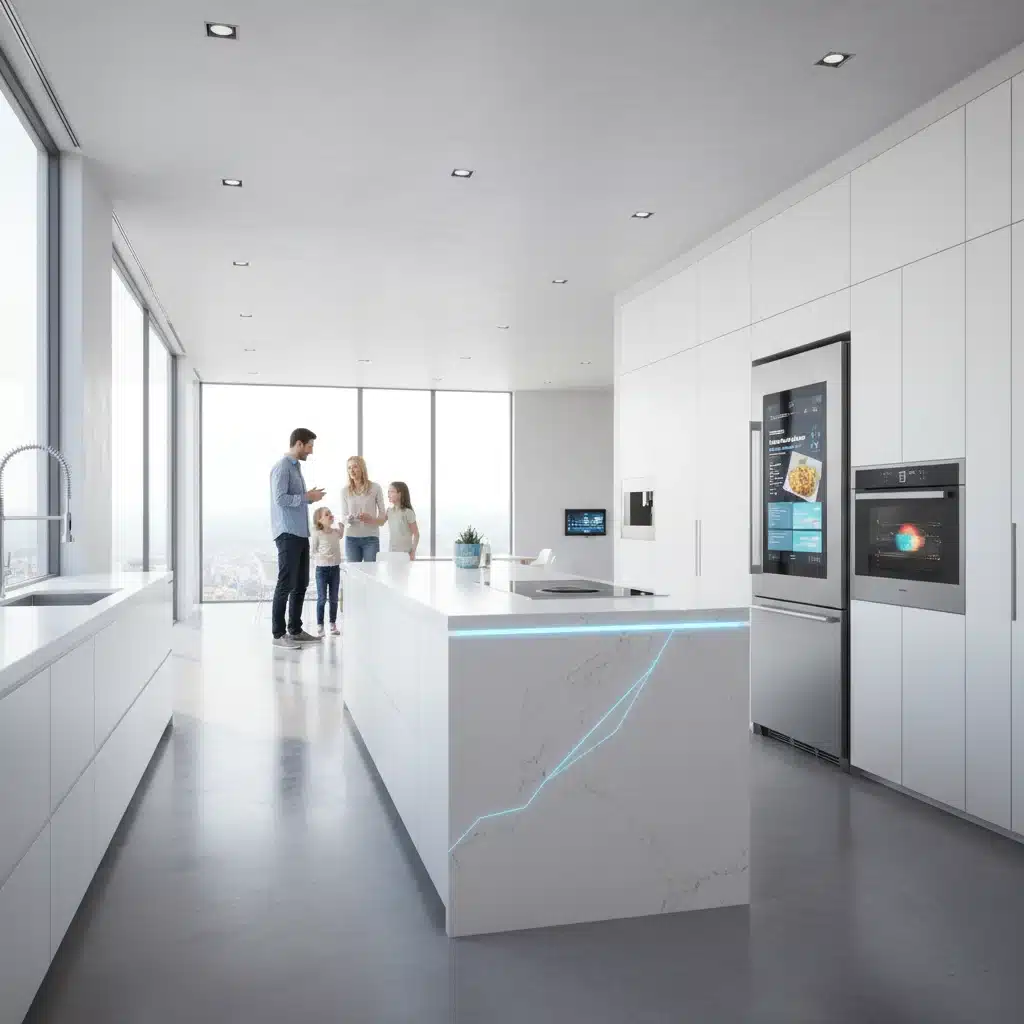
The kitchen, once solely a functional space, has rapidly evolved into the technological heart of many United States homes. With the advent of the Internet of Things (IoT), smart kitchen appliances are no longer futuristic concepts but tangible realities, promising to revolutionize how we cook, store food, and manage our culinary lives. But as we step into 2026, a critical question arises for discerning homeowners: are these sophisticated gadgets truly worth the investment? This comprehensive cost-benefit analysis aims to provide a clear, data-driven perspective on the value proposition of smart kitchen appliances, helping you decide if they belong in your home.
The allure of a smart kitchen is undeniable. Imagine a refrigerator that tells you when you’re low on milk, an oven that preheats itself on your commute home, or a coffee maker that brews your morning cup precisely when your alarm goes off. These conveniences, while appealing, come with a price tag. Our analysis will delve into the initial costs, potential savings, and the less quantifiable benefits and drawbacks of integrating these technologies into your daily routine. We’ll explore the current landscape of smart kitchen technology, project future trends, and offer practical advice for making informed decisions tailored to the United States market.
The Evolution of Smart Kitchen Appliances: A Brief History and Current Landscape
To understand the value of smart kitchen appliances today, it’s helpful to trace their journey. Early iterations of ‘smart’ home devices were often clunky and offered limited functionality. However, significant advancements in connectivity, artificial intelligence (AI), and user interface design have transformed these appliances into sophisticated tools. Today, the market is flooded with a diverse range of smart devices, from refrigerators with internal cameras and touchscreens to induction cooktops with precise temperature control and integrated recipe guidance, and ovens that can be remotely controlled and even self-clean on command.
Key Smart Kitchen Appliance Categories:
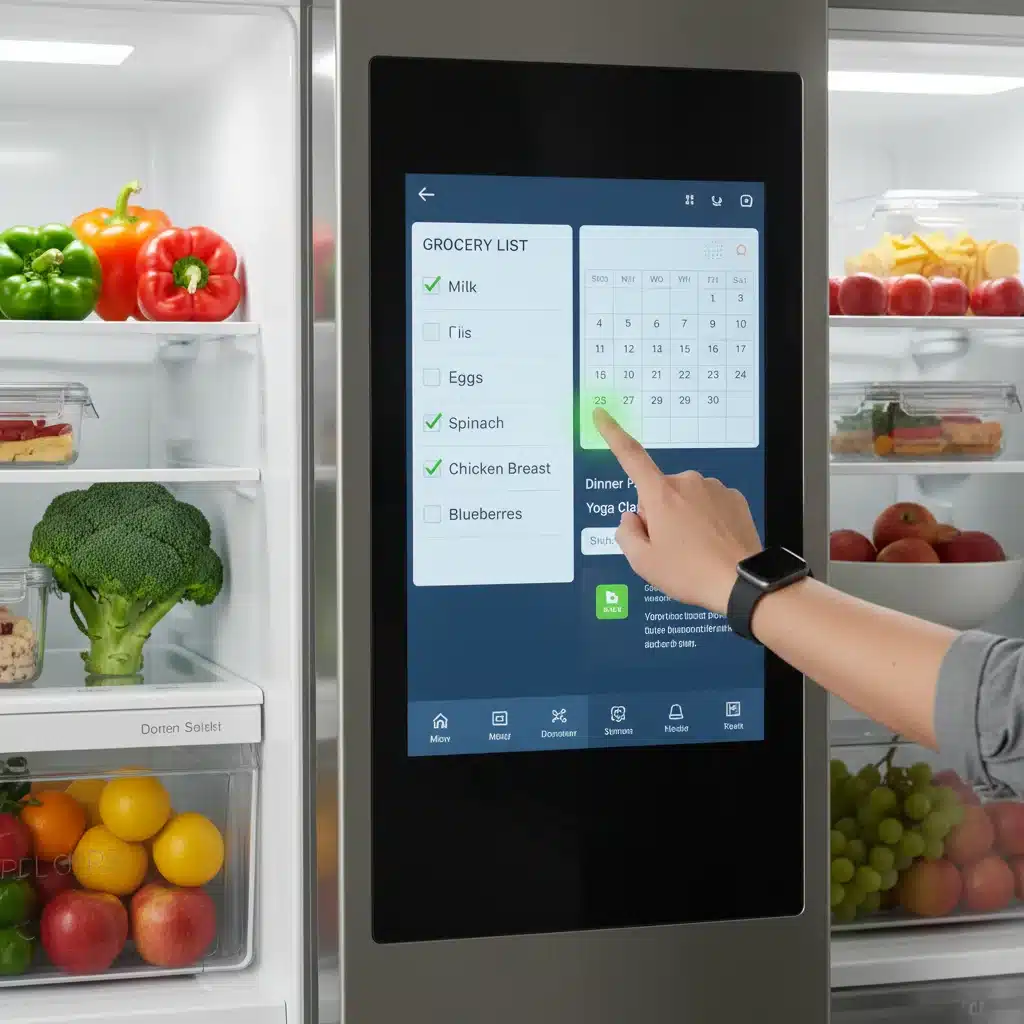
- Smart Refrigerators: Offering features like internal cameras to view contents remotely, touchscreen displays for calendars and recipes, automatic inventory management, and even integration with grocery delivery services.
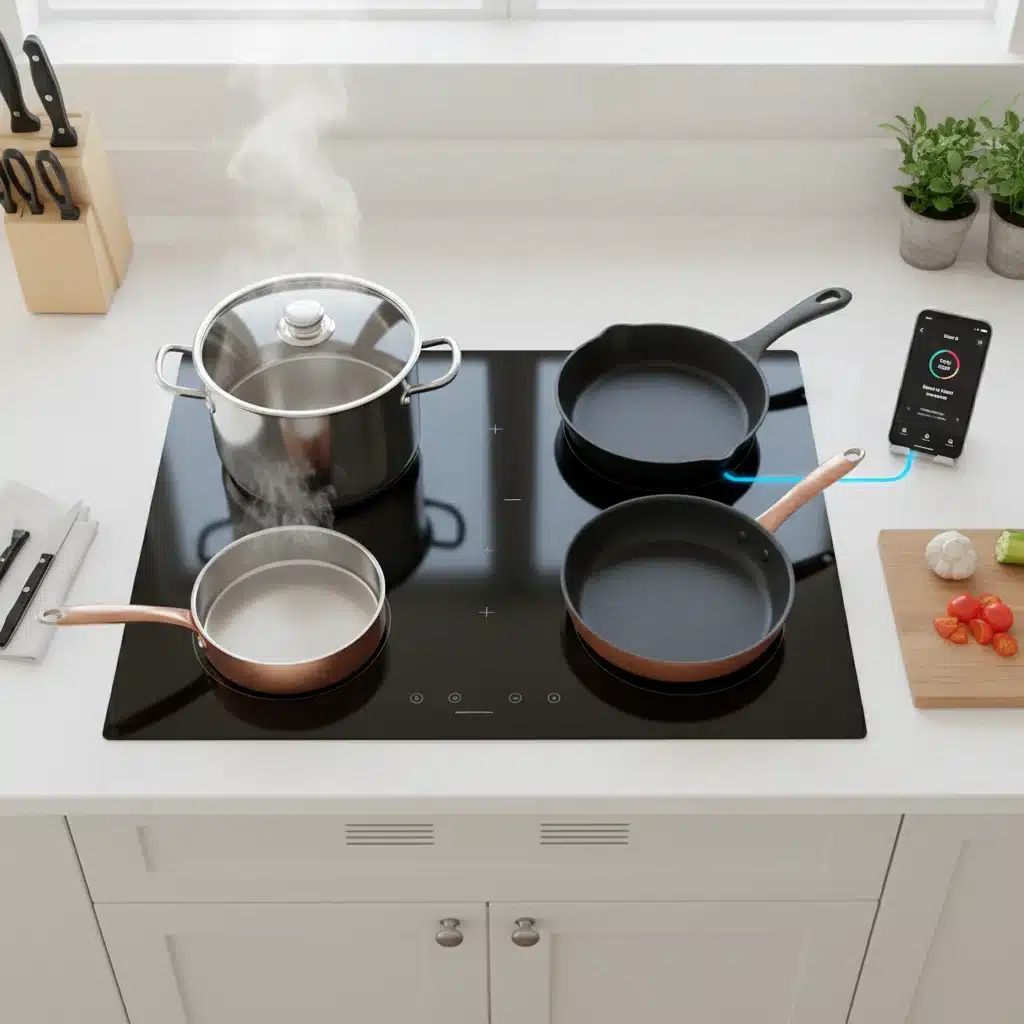
- Smart Ovens and Ranges: Remote preheating, guided cooking programs, temperature probes, self-cleaning reminders, and integration with voice assistants.
- Smart Dishwashers: Remote start/stop, cycle selection based on load, alerts for detergent levels, and energy usage tracking.
- Smart Microwaves: Preset cooking options, voice control, and sensor cooking for optimal results.
- Smart Coffee Makers: Scheduled brewing, remote activation, and personalized drink preferences.
- Smart Small Appliances: This category includes blenders, toasters, and even air fryers that offer app control and smart features.
The integration of these devices into a cohesive smart home ecosystem is also a significant trend. Many smart kitchen appliances can now communicate with each other and with other smart home devices, creating a more seamless and automated living experience. This interconnectedness is a cornerstone of the ‘smart home’ vision and plays a crucial role in their perceived value.
The Cost Side: Initial Investment and Ongoing Expenses
The most immediate consideration for any homeowner contemplating smart kitchen appliances is the cost. It’s no secret that these advanced devices typically come with a higher upfront price tag compared to their traditional counterparts. Understanding these costs is the first step in any robust cost-benefit analysis.
Initial Purchase Price:
The premium for smart functionality varies significantly by appliance type and brand. A smart refrigerator, for instance, can range from $2,000 to over $8,000, while a traditional model might be found for $800 to $2,500. Similarly, smart ovens can cost upwards of $2,500 to $5,000+, compared to conventional models in the $1,000 to $3,000 range. Small smart appliances like coffee makers or blenders might only add a few hundred dollars to their traditional counterparts’ prices.
- Refrigerators: Expect to pay 20-50% more for smart features.
- Ovens/Ranges: Smart capabilities can add 15-40% to the base price.
- Dishwashers: The premium is often 10-30%.
- Small Appliances: The percentage increase can be higher due to lower base prices, but the absolute dollar amount is less significant.
It’s important to factor in not just the appliance cost but also potential installation fees, especially for larger integrated units. While many installations are straightforward, some smart appliances might require specific electrical or plumbing considerations that could incur additional professional service costs.
Ongoing Expenses and Hidden Costs:
Beyond the initial purchase, there are a few ongoing financial considerations for smart kitchen appliances:
- Internet Connectivity: All smart appliances require a stable Wi-Fi connection. While most homes already have this, ensure your network is robust enough to handle multiple connected devices without performance degradation.
- Software Updates and Subscriptions: While core functionality is usually free, some advanced features or premium content (e.g., specialized recipe databases, advanced diagnostics) might require subscription fees. These are not widespread but are becoming more common.
- Repair and Maintenance: While modern appliances are generally reliable, the increased complexity of smart devices can sometimes lead to higher repair costs if specialized parts or technicians are required. Extended warranties might be a more attractive option for smart appliances.
- Energy Consumption: While many smart appliances are designed for energy efficiency, their always-on connectivity and additional features (like large touchscreens) can slightly increase baseline energy usage. However, this is often offset by other energy-saving features.
The Benefit Side: Savings, Convenience, and Lifestyle Enhancements
The ‘benefit’ side of the equation for smart kitchen appliances is where their true value proposition often shines. These benefits can be categorized into tangible savings and intangible lifestyle enhancements.
Potential Financial Savings:
While the initial outlay is higher, smart appliances can offer long-term savings through various mechanisms:
- Energy Efficiency: Many smart appliances are designed with energy conservation in mind. Smart ovens, for example, might have better insulation or more precise temperature control, reducing energy waste. Smart dishwashers can optimize water usage based on load size and soil level. Some refrigerators can detect when they are less used and enter an energy-saving mode. Over the lifespan of the appliance, these efficiencies can lead to noticeable reductions in utility bills.
- Reduced Food Waste: This is a significant benefit, particularly from smart refrigerators. Features like internal cameras allow you to check your fridge contents from the grocery store, preventing duplicate purchases. Inventory management systems can track expiration dates and suggest recipes based on available ingredients, helping you use food before it spoils. Given the average US household’s food waste, these features can translate into substantial savings.
- Optimized Cooking: Smart ovens and cooktops with precise temperature control and guided cooking can reduce cooking errors, preventing burnt food or wasted ingredients. This also contributes to less food waste and more efficient meal preparation.
Enhanced Convenience and Time Savings:
The biggest draw for many consumers is the unparalleled convenience offered by smart kitchen appliances:
- Remote Control: Preheating your oven on your way home, starting the dishwasher from work, or brewing coffee from bed are prime examples of how remote control saves time and effort.
- Automated Tasks: Scheduled brewing, self-cleaning cycles, and automatic notifications for maintenance (like changing water filters) reduce mental load and ensure appliances are always ready.
- Guided Cooking and Recipes: Many smart ovens and cooktops come with integrated recipe databases and step-by-step guidance, making complex dishes more accessible and improving cooking consistency. Some can even adjust cooking times automatically based on ingredients.
- Voice Control Integration: Seamless integration with voice assistants like Alexa or Google Assistant allows for hands-free operation, a huge plus when your hands are full in the kitchen.
- Personalized Experiences: Smart coffee makers can remember individual preferences, while smart ovens might learn your cooking habits over time to suggest optimal settings.
Lifestyle and Quality of Life Improvements:
- Peace of Mind: The ability to remotely check if the oven is off or the refrigerator door is closed provides a significant sense of security.
- Improved Cooking Skills: Guided cooking and precise controls can empower novice cooks and help experienced chefs achieve consistent results.
- Entertaining: Smart appliances can simplify entertaining by managing multiple dishes, keeping track of timers, and even suggesting wine pairings.
- Modern Aesthetic and Home Value: A kitchen equipped with smart appliances often boasts a sleek, modern aesthetic, which can enhance the overall appeal and potentially increase the resale value of your home.
- Accessibility: For individuals with mobility challenges, voice control and remote operation can make kitchen tasks significantly easier and more accessible.
The 2026 Landscape: What to Expect
Looking ahead to 2026, the trajectory for smart kitchen appliances points towards greater integration, enhanced AI capabilities, and a stronger focus on sustainability and user-friendliness.
Key Trends and Projections:
- Advanced AI and Machine Learning: Expect appliances to become even smarter, learning your habits, predicting needs (e.g., suggesting recipes based on expiring ingredients and your dietary preferences), and proactively optimizing performance.
- Seamless Ecosystems: Interoperability between different brands and platforms will improve, making it easier to build a cohesive smart home without compatibility headaches. Matter and Thread protocols are driving this standardization.
- Hyper-Personalization: Appliances will offer more tailored experiences, from custom cooking profiles to individualized energy-saving recommendations based on your usage patterns.
- Health and Wellness Focus: Integration with health apps and wearables could see smart appliances offering nutritional advice, tracking calorie intake, or suggesting healthy meal plans.
- Sustainability and Resource Management: Enhanced features for tracking and reducing energy, water, and food waste will become standard, appealing to environmentally conscious consumers.
- Augmented Reality (AR) and Voice UI: More sophisticated AR interfaces on appliance screens and advanced voice commands will make interaction even more intuitive and hands-free.
- Modular and Upgradable Designs: Some manufacturers might offer appliances with upgradable software or modular hardware components, extending their lifespan and future-proofing your investment to some extent.
The market will likely see increased competition, potentially driving down prices for some entry-level smart appliances while pushing innovation in the premium segment. The focus will shift from merely ‘connected’ to truly ‘intelligent’ appliances that anticipate and adapt to user needs.
Challenges and Considerations for US Homeowners
Despite the numerous benefits, investing in smart kitchen appliances isn’t without its challenges. It’s crucial to consider these factors before making a purchase.
Cost vs. Benefit Justification:
For many, the primary hurdle remains the higher upfront cost. Homeowners must carefully weigh whether the perceived benefits and potential long-term savings truly justify the initial investment. This often depends on individual usage patterns, lifestyle, and budget.
Technological Obsolescence:
Technology evolves rapidly. A cutting-edge smart appliance today might feel outdated in five to ten years. While software updates can extend functionality, hardware limitations can eventually lead to obsolescence. This means the lifespan of a smart appliance, in terms of its ‘smart’ features, might be shorter than its physical lifespan.
Privacy and Security Concerns:
Connecting appliances to the internet raises valid concerns about data privacy and cybersecurity. Smart appliances collect data on usage habits, and while manufacturers typically promise data protection, the risk of breaches or unauthorized access is always present. Homeowners should research a brand’s security protocols and update firmware regularly.
Complexity and User Experience:
While designed for convenience, some users might find the setup and ongoing management of smart appliances to be overly complex. A steep learning curve or unreliable app performance can negate the benefits. It’s important to choose brands known for intuitive interfaces and reliable software.
Reliance on Internet Connectivity:
Smart appliances are heavily reliant on a stable internet connection. In areas with unreliable Wi-Fi or during internet outages, smart features may become unavailable, reducing the appliance to its basic, non-smart functionality. This can be a point of frustration for users who have grown accustomed to the smart features.
Repairability and Longevity:
The increased complexity of smart appliances can sometimes make repairs more challenging or expensive. Specialized components and software issues might require specific technicians, potentially leading to longer downtime or higher repair costs compared to simpler, traditional models. Researching repair policies and availability of parts is advisable.
Making an Informed Decision: Is a Smart Kitchen Right for You?
Deciding whether to invest in smart kitchen appliances in 2026 boils down to a personalized assessment of your needs, lifestyle, and budget. There’s no one-size-fits-all answer, but by considering the following, you can make a choice that’s right for your United States home.
Consider Your Lifestyle:
- Tech-Savvy Individual: If you enjoy integrating technology into your daily life and are comfortable with apps and connectivity, smart appliances will likely enhance your experience.
- Busy Professionals/Families: The time-saving and convenience features, such as remote preheating or grocery list management, can be incredibly valuable for those with demanding schedules.
- Frequent Cooks/Entertainers: Guided cooking, precise temperature control, and multi-tasking capabilities can elevate your culinary endeavors and simplify hosting.
- Budget-Conscious Consumers: While long-term savings are possible, the initial investment is significant. If budget is a primary concern, prioritize appliances where you’ll genuinely utilize the smart features for efficiency or savings.
- Environmentally Conscious: If reducing food waste and energy consumption are priorities, the efficiency features of smart appliances can align with your values.
Evaluate Your Existing Home Ecosystem:
Do you already have other smart home devices? If so, choosing appliances that integrate seamlessly with your existing platform (e.g., Google Home, Amazon Alexa, Apple HomeKit) will maximize their utility and your overall smart home experience. Look for devices that support common communication protocols like Matter.
Research and Read Reviews:
Before committing, thoroughly research specific models and brands. Pay close attention to user reviews regarding app reliability, ease of use, customer support, and the actual utility of the smart features. Don’t just focus on the ‘smart’ aspect, but also the core functionality and reliability of the appliance itself.
Prioritize Features That Matter to You:
Not all smart features are equally valuable to everyone. Identify which smart capabilities would genuinely improve your daily life. For example, if reducing food waste is a priority, a smart refrigerator with internal cameras might be a great investment. If you frequently bake, a smart oven with precise temperature control and guided recipes could be highly beneficial. Avoid paying a premium for features you’ll rarely use.
Consider the Long-Term Perspective:
Think about the lifespan of the appliance. While the technology might evolve, the core appliance should be built to last. Consider warranties, repair availability, and the manufacturer’s commitment to software updates and security patches.
Conclusion: The Smart Kitchen’s Place in 2026
In 2026, smart kitchen appliances represent a compelling blend of innovation, convenience, and potential efficiency. For United States homeowners, the decision to invest is a nuanced one, balancing the higher upfront costs against the tangible benefits of time savings, reduced food waste, energy efficiency, and an elevated culinary experience.
While the initial investment can be substantial, the evolving landscape of smart technology promises more intuitive interfaces, greater interoperability, and increasingly sophisticated AI-driven functionalities. For those who embrace technology and seek to streamline their daily routines, a smart kitchen can indeed be a worthwhile and transformative investment, offering a glimpse into the future of home living. However, for others, the added complexity or cost might outweigh the perceived benefits, making traditional, reliable appliances a more suitable choice.
Ultimately, the value of smart kitchen appliances is subjective. By carefully evaluating your personal needs, understanding the current market, and anticipating future trends, you can make an informed decision that truly enhances your home and lifestyle in the years to come.