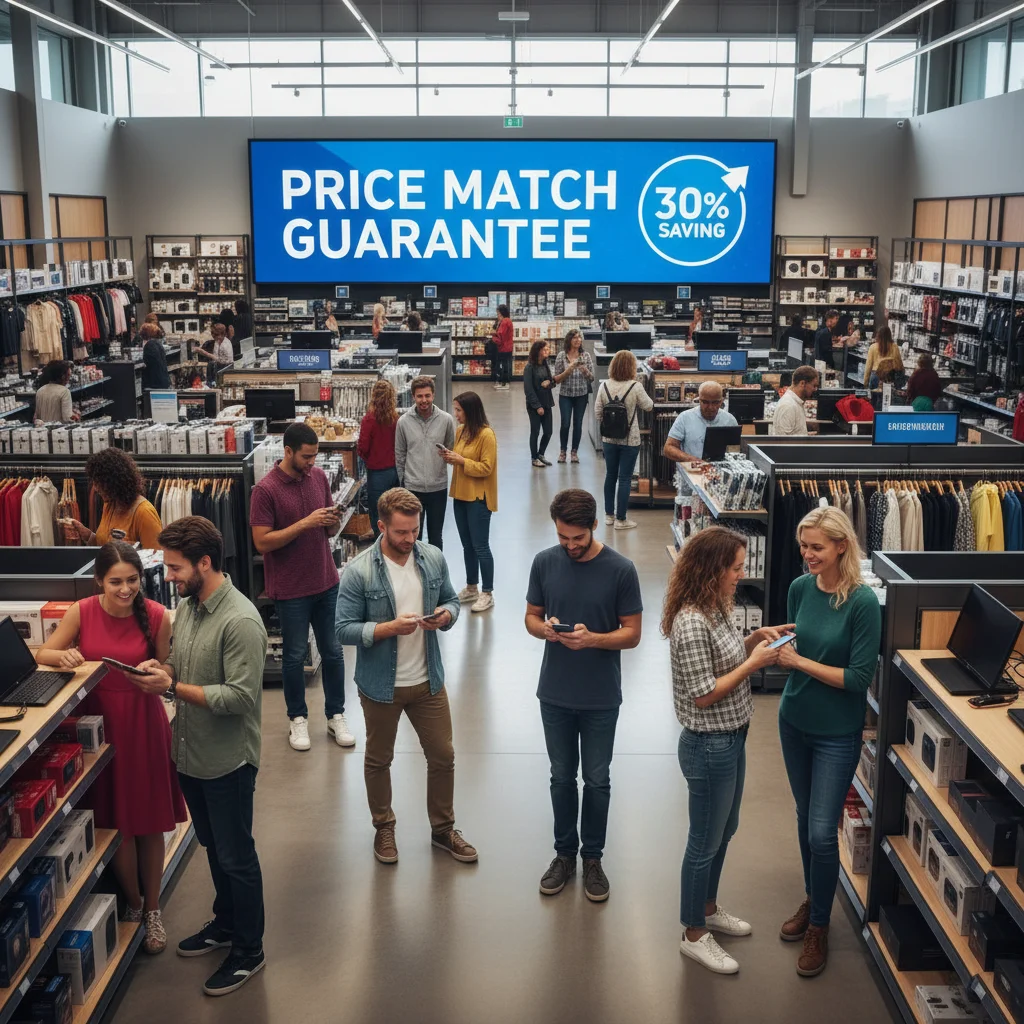
In the ever-evolving landscape of retail, staying ahead of the curve is crucial for both consumers and businesses. For savvy shoppers, one of the most effective strategies to secure significant savings is through price matching 2026. As we venture further into the mid-2020s, retailers are continuously refining their policies, adapting to new technologies, and responding to competitive pressures. This comprehensive guide will delve into the latest developments in price matching for 2026, offering insights, tips, and a detailed look at how you can leverage these policies to save up to an impressive 30% on your purchases.
The concept of price matching isn’t new, but its execution and scope have undergone substantial transformations. What was once a relatively straightforward process has become a more nuanced art, requiring consumers to be informed and strategic. In 2026, the digital age plays an even more dominant role, with online price comparisons, app-based tools, and AI-driven recommendations shaping how we shop. Understanding these dynamics is the first step towards becoming a master of price matching 2026.
The Evolution of Price Matching Policies in 2026
Gone are the days when price matching was a simple ‘show us an ad, get the lower price’ affair. Retailers in 2026 are operating in a highly competitive environment, where every dollar saved by a customer can mean a lost sale for a competitor. This has led to a fascinating dichotomy: some retailers are tightening their price match policies to protect margins, while others are expanding them to attract and retain loyal customers. The key for consumers is to identify which stores fall into which category and to understand the specific nuances of each policy.
Several factors are driving these changes. Firstly, the proliferation of online retailers has made price transparency almost instantaneous. Consumers can, with a few taps on their smartphone, compare prices across dozens of stores. Secondly, the rise of dynamic pricing – where prices fluctuate based on demand, inventory, and even individual browsing history – adds another layer of complexity. Thirdly, the integration of artificial intelligence and data analytics allows retailers to predict consumer behavior and optimize their pricing strategies, making price matching 2026 a strategic battlefield.
Expect to see more emphasis on ‘identical’ items, stricter timeframes for price match requests (e.g., within 7-14 days of purchase), and a clearer distinction between in-store and online price matching. Some retailers are also implementing ‘price adjustment’ policies, allowing you to get a refund for a price drop after your purchase, which is a subtle but important distinction from traditional price matching.
Key Retailers and Their 2026 Price Match Strategies
To effectively utilize price matching 2026, it’s essential to know which major players are participating and what their specific rules entail. While policies can change, here’s a general overview of what to expect from some prominent retailers:
Big-Box Stores (e.g., Walmart, Target, Best Buy)
- Walmart: Walmart’s price matching policy has seen various iterations. In 2026, expect them to continue focusing primarily on matching prices from their own online store for in-store purchases, and potentially a limited number of direct online competitors. The emphasis is often on ensuring the item is identical and in stock. Their app will likely play a crucial role in verifying prices.
- Target: Target generally offers to match prices from select online competitors and their own Target.com. They are known for having a relatively straightforward policy, but it’s crucial to check their website for the most up-to-date list of eligible competitors. Holiday periods often bring slight modifications to their rules.
- Best Buy: As a specialist electronics retailer, Best Buy is often a leader in price matching. In 2026, anticipate them matching local retail competitors and major online retailers for identical products. They might have specific exclusions for clearance, open-box, or refurbished items. Their Geek Squad services might also influence how their price match policy is applied to bundled products.
Online Giants (e.g., Amazon)
Amazon’s approach to price matching is unique. As the market leader, they rarely price match other retailers directly. Instead, they focus on offering competitive pricing from the outset, often using dynamic pricing algorithms to adjust prices multiple times a day. Your best bet with Amazon for price matching 2026 is to monitor their own price fluctuations using price tracking tools, rather than expecting them to match a competitor. However, some third-party sellers on Amazon might offer a form of price adjustment.
Home Improvement Stores (e.g., Home Depot, Lowe’s)
- Home Depot: Home Depot typically matches local retail competitors’ prices on identical items. They often go a step further by offering to beat a competitor’s price by a small percentage (e.g., 10%) on certain items, making them a prime target for strategic shoppers. This ‘beat’ policy is a significant advantage for consumers looking to maximize savings.
- Lowe’s: Similar to Home Depot, Lowe’s is known for matching local competitors’ advertised prices. They also have a robust online presence, and their policy usually extends to their own online prices. Checking their website for specific exclusions, especially concerning installation services or special orders, is always recommended.
Grocery Stores
Price matching in grocery stores has become less common than in previous years, with many shifting to loyalty programs and personalized discounts. However, some regional chains may still offer it. For price matching 2026 in groceries, look for local circulars and store-specific policies, especially for produce or staple items where price differences can be significant.
Strategies to Maximize Your Savings with Price Matching in 2026
Achieving up to 30% savings through price matching requires more than just knowing the policies; it demands a strategic approach. Here’s how to become a price-matching pro:
1. Do Your Homework (Pre-Shopping Research)
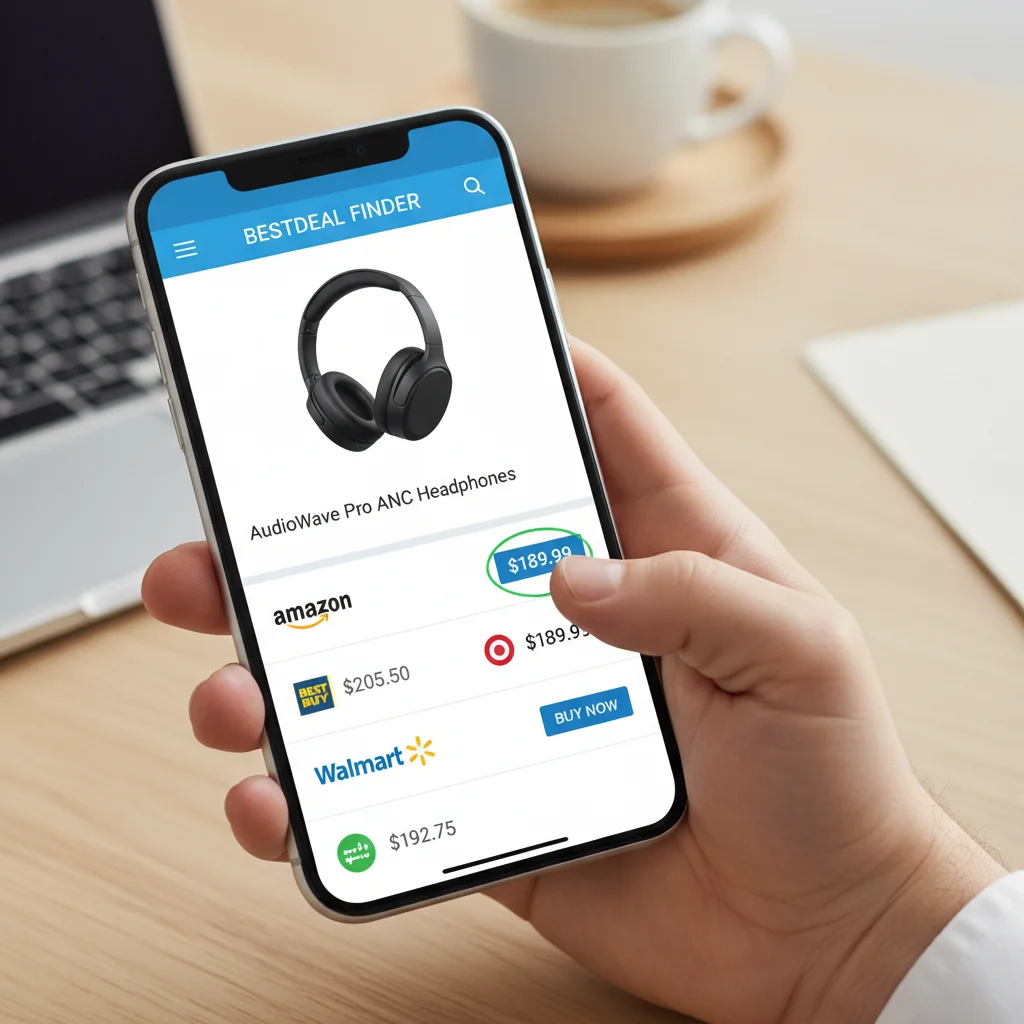
Before you even step foot in a store or click ‘add to cart’, dedicate time to researching prices. Use price comparison websites, retailer apps, and browser extensions. Tools that track price history can be invaluable, showing you if a current ‘sale’ price is genuinely low or if it’s been cheaper in the past. Always check multiple sources for the item you intend to purchase. This proactive approach is fundamental to successful price matching 2026.
2. Understand the ‘Identical Item’ Clause
This is where many price match attempts fail. Retailers will only match prices for items that are absolutely identical. This means the same brand, model number, color, size, and packaging. Be wary of ‘exclusive’ models created for specific retailers, as these often have slight variations (e.g., a different model number) that disqualify them from price matching. Always have the exact product details ready for comparison.
3. Know the Competitors
Each retailer has a specific list of competitors they will price match. This list can change, so always check the store’s official policy on their website or by asking a customer service representative. Don’t assume that because Store A matches Store B, Store C will also match Store B. This specificity is a crucial detail for effective price matching 2026.
4. Time It Right: Price Adjustments vs. Price Matching
Some stores offer a price adjustment policy, allowing you to get a refund if an item you recently bought goes on sale within a certain timeframe (e.g., 7-14 days). Keep your receipts and monitor prices after your purchase. This is different from traditional price matching, where you request a lower price *before* or *at the time of* purchase. Combining both strategies can significantly boost your savings. This is a powerful, often overlooked aspect of price matching 2026.
5. Bring Proof
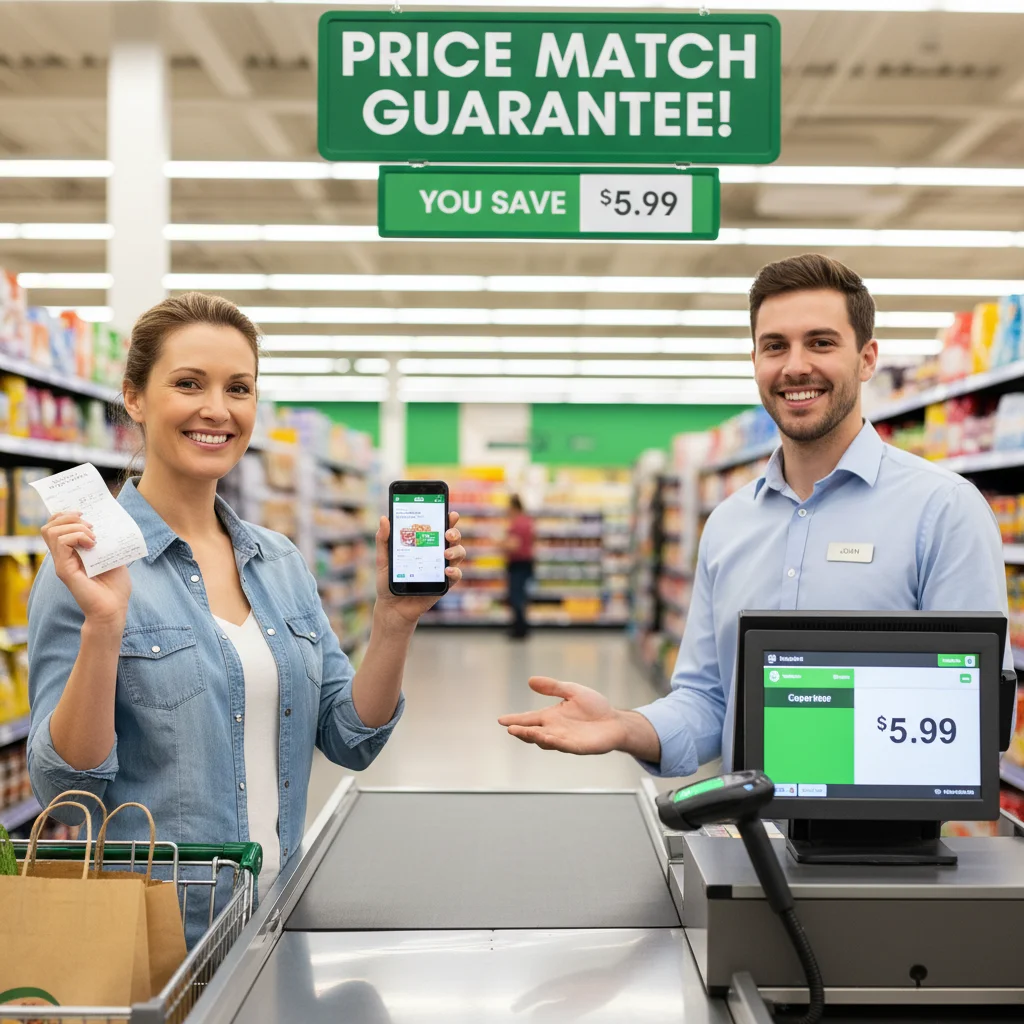
Always have clear, verifiable proof of the lower price. This could be a printed ad, a screenshot on your phone, or a live webpage on your device. Ensure the date of the ad is visible, and the item’s details (model number, brand, price) are clearly legible. Some retailers may call the competitor to verify the price, so be prepared for a brief wait.
6. Be Polite and Persistent
Customer service representatives have discretion. A polite and patient approach is far more likely to yield success than an aggressive one. If your initial request is denied, politely ask to speak with a manager. Sometimes, a manager has more authority to approve exceptions, especially if the price difference is substantial or you’re a loyal customer.
7. Watch Out for Exclusions and Limitations
Price match policies often come with a long list of exclusions. Common ones include:
- Limited-quantity sales: ‘Door buster’ or ‘limited-time’ offers.
- Clearance/liquidation items: Products being phased out.
- Bundled offers: ‘Buy one, get one free’ or package deals.
- Marketplace sellers: Prices from third-party sellers on sites like Amazon or eBay.
- Services: Installation, repairs, or warranties.
- Holiday exclusions: Black Friday, Cyber Monday, and other major shopping events often have modified or suspended price matching.
Always read the fine print of each retailer’s price matching 2026 policy to avoid disappointment.
The Role of Technology in Price Matching 2026
Technology is not just facilitating price transparency; it’s actively shaping the future of price matching. Understanding and utilizing these tools is paramount for the modern consumer.
Price Comparison Apps and Websites
Dozens of apps and websites are dedicated to comparing prices across various retailers. Services like Google Shopping, PriceGrabber, and ShopSavvy allow you to scan barcodes or search for products to instantly see current prices. Many also offer historical price data, helping you determine if a deal is truly good. Integrating these tools into your shopping routine is a game-changer for price matching 2026.
Browser Extensions
Extensions like Honey, CamelCamelCamel (for Amazon), and Keepa automatically track prices and apply coupons. While primarily focused on online savings, they can indirectly assist with price matching by revealing lower online prices that you can then present to a brick-and-mortar store.
Retailer-Specific Apps
Many major retailers have their own apps that often include in-app price checking features. These apps can sometimes display lower online prices for the same store, which you can then use to request an in-store price match. This internal price matching is often the easiest to achieve.
AI and Predictive Pricing
Retailers are increasingly using AI to predict demand and set dynamic prices. While this makes it harder for consumers to find consistently low prices, it also creates more opportunities for price fluctuations. Savvy shoppers can use price tracking tools to monitor these changes and strike when the price is lowest, then potentially use price matching 2026 at another store if needed.
Potential Savings: Reaching the 30% Mark
Is saving 30% through price matching realistic in 2026? Absolutely, but it requires dedication and smart execution. Here’s how you can achieve significant savings:
- Big-ticket items: Electronics, appliances, and furniture often have larger price discrepancies between retailers, making them prime candidates for substantial savings. A 10-15% price match on a $1000 TV is $100-$150 saved immediately.
- Combining strategies: Don’t just rely on price matching. Combine it with coupons, loyalty programs, and credit card rewards. For example, price match an item, then pay with a credit card that offers cash back or extended warranty benefits.
- Seasonal shopping: Major sales events (Black Friday, Prime Day, end-of-season clearances) are excellent times to find steep discounts. While many retailers restrict price matching during these periods, some might still honor it for specific items or under certain conditions. Keep an eye out for these exceptions.
- Everyday essentials: While the percentage savings might be smaller on individual items, consistently price matching groceries or household goods can accumulate to significant savings over time. Think about how much you spend annually on these items; even a 5% saving on a regular basis adds up.
The 30% saving is often achieved not on a single item, but across multiple purchases over time, by consistently applying these strategies. It’s about making price matching 2026 a regular part of your shopping habit.
The Future of Price Matching: What to Expect Beyond 2026
As retail continues to evolve, so too will price matching. Looking beyond 2026, we can anticipate further integration of technology and perhaps even more personalized pricing strategies.
- Augmented Reality (AR) shopping: Imagine walking into a store, holding up your phone, and an AR overlay instantly showing you competitor prices for every item on the shelf. This could make instant price matching a reality.
- Blockchain for price transparency: While speculative, blockchain technology could potentially create immutable records of pricing, making it easier to verify competitor prices and prevent fraudulent claims.
- Hyper-personalization: Retailers might offer dynamic price matches based on your individual shopping history, loyalty status, and even real-time location. This could create a more tailored, but potentially more complex, price matching experience.
- Subscription models: More retailers might move towards subscription-based models for exclusive discounts and free shipping, potentially reducing the emphasis on traditional price matching for everyday items.
Regardless of the technological advancements, the core principle of price matching 2026 – finding the best deal for an identical product – will likely remain a powerful tool for consumers. Adaptability and continuous learning about retailer policies will be key to continued success.
Conclusion: Master Price Matching for Maximum Savings
In conclusion, price matching 2026 remains a highly effective strategy for consumers looking to reduce their spending. While policies are becoming more refined and sometimes more restrictive, the opportunities for significant savings, potentially up to 30%, are still abundant. By diligently researching, understanding retailer-specific rules, leveraging technology, and approaching the process strategically, you can become a master of price matching.
Remember to always verify the ‘identical item’ clause, be aware of competitor lists, and bring clear proof of lower prices. Embrace the technological tools available, from price comparison apps to browser extensions, to streamline your efforts. As the retail landscape continues its rapid evolution, staying informed about the latest price matching 2026 policies and trends will empower you to make smarter purchasing decisions and keep more money in your pocket. Happy shopping and even happier saving!